
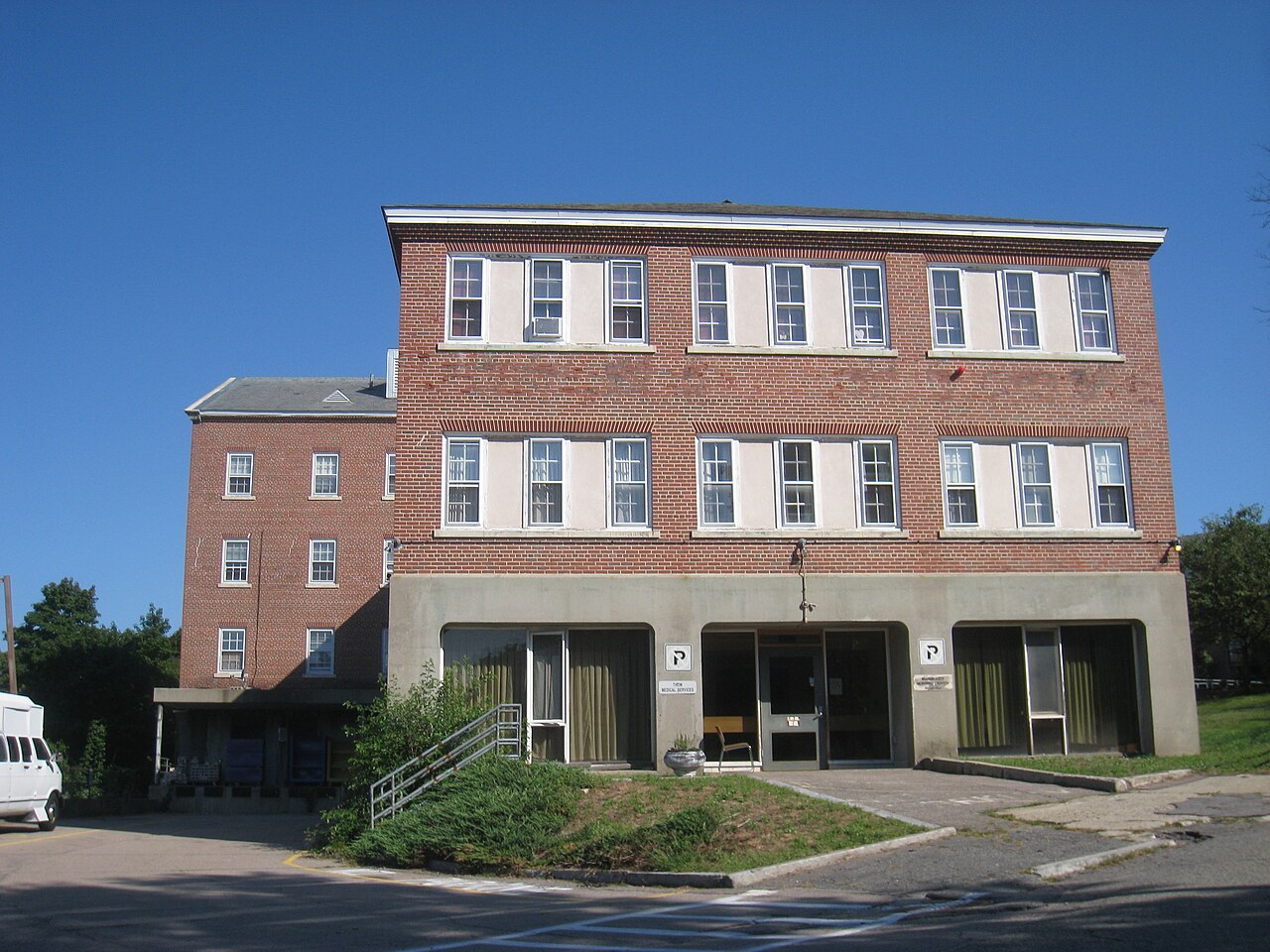
Between 1946 and 1953, researchers from the Massachusetts Institute of Technology gave residents of the Walter E. Fernald State School in Waltham, Massachusetts, cereal breakfasts carrying tiny amounts of radioactive iron or calcium. A state task force reported in May 1994 that the studies most likely caused no significant health effects, but that the state had failed to protect the residents and that nobody had obtained real informed consent from them or their families.
Part 1 followed Samuel Gridley Howe's 1848 school, which moved to Waltham in the 1890s and was renamed for its longtime superintendent, Walter E. Fernald, in 1925, according to the National Park Service. This part picks up after World War II, when some of the school's residents became research subjects, and follows the story to a 1998 settlement and a decade-long fight over closing Fernald.
What the studies were for
The research question was about food. Some cereals, such as rolled oats, contain compounds called phytates that can keep the body from absorbing minerals; farina (Cream of Wheat) does not. The researchers wanted to know which cereal was better for absorbing iron and calcium, and radioactive tracers mixed into the meals let them follow the minerals through the body.
The task force identified two nutrition studies at Fernald:
| Study | Years | People studied | Researchers | Funding |
|---|---|---|---|---|
| Iron absorption | 1946 | 17 | MIT and Fernald | Quaker Oats Company |
| Calcium absorption | 1950-1953 | 57 | MIT, Harvard Medical School and Fernald | Quaker Oats Company and the Atomic Energy Commission |
The doses were small. The task force calculated that no one in the calcium studies received more than 15 millirems, compared with about 300 millirems a year that a person in Boston gets from natural background radiation. The task force based its health conclusion on five outside expert opinions, including one from an epidemiologist who specializes in radiation.
The 'Science Club'
Boys recruited for the studies belonged to what was called the Science Club. The task force said its 74 members were taken to ball games and events at MIT in return for taking part, and it found that those rewards unfairly enticed residents to join. For boys who rarely left the grounds, an outing was hard to turn down. Records from 1953 show researchers planning a baseball game and an assembly to encourage boys to sign up, and also show that three of 10 residents first lined up for one planned study objected and were left out.
Many had no diagnosis at all. The task force stressed that, from the school's opening through the 1950s, many residents were admitted without any diagnosis of intellectual disability; some were there because their families could not care for them. Two former Science Club members, Charles Dyer and Austin LaRocque, served on the task force. "Instead of being taught, we were being used, and I don't think that was right," Dyer told the news conference where the report was released, MIT News reported.
How 'consent' worked
For residents who were wards of the state, the superintendent gave permission. The task force flagged that dual role: the same official could both approve research and consent to it on behalf of the people being studied.
For other residents, Fernald wrote to parents. A May 28, 1953, letter from the school's medical director, Clemens E. Benda, said the meals would contain a certain amount of calcium and mentioned blood draws and privileges such as a baseball game and a trip to the beach. It said nothing about radioactive tracers. It also said that if parents had not objected by a set date, "we will assume that your son may participate." Silence counted as a yes.
The task force also found that the researchers left the job of getting consent to Fernald, and that neither the researchers nor the staff recorded the studies in residents' permanent medical records. That gap meant later staff had no way to know who had been studied.
The task force's report also covered thyroid studies at Fernald and at the Wrentham State School in the 1950s and 1960s, which used radioactive iodine at levels above the nutrition studies' tracer doses. It left those to a follow-up working group rather than assessing their risk.
Findings, apologies and a settlement
The Department of Mental Retardation (now the Department of Developmental Services) convened the task force in January 1994 after the studies drew public attention. Its report called for compensating anyone harmed by radioactive research at the state's facilities, health assessments and follow-up care, and stronger laws to protect people who are wards of the state. The department's commissioner, Philip Campbell, also wrote a cover letter for old resident records released to former residents and families, apologizing for the insulting labels they would find in them.
MIT's president, Charles M. Vest, expressed sorrow that the boys and their parents apparently had not been told the studies involved radioactive tracers. In late 1997 a federal court in Massachusetts approved a class-action settlement creating a $1.85 million fund for the former subjects, paid mainly by MIT and in smaller part by Quaker Oats. MIT denied wrongdoing, saying its researchers had acted properly under the standards of the time.
The long fight to close Fernald
Fernald was also part of Ricci v. Okin, a class action filed in 1972 on behalf of residents of Belchertown State School and later joined by similar cases at four other institutions, Fernald among them. Consent decrees approved in 1978 set staffing levels and improved conditions. In 1993 Judge Joseph L. Tauro closed the case with an order that let the state move residents only if they would receive services that were equal or better in the new location.
In 2003, Gov. Mitt Romney's administration announced it would close Fernald. Some families and guardians went back to court. In 2006 Judge Tauro froze transfers and appointed the U.S. attorney as a monitor, who found the state had complied with the 1993 order. In 2007 the judge still required the state to list Fernald as an option whenever it asked residents and guardians where they wanted to live. On Oct. 1, 2008, the U.S. Court of Appeals for the First Circuit reversed him, ruling that the federal court had no authority to reopen the case. The appeals court noted that people of good faith disagreed sharply about closing Fernald. Disability advocates were on the other side from those families: the Massachusetts Association of Retarded Citizens and the Disability Law Center both urged the reversal.
Transfers continued, and challenges moved to state court. In 2013 a Massachusetts appeals court upheld the transfer of one of the last 14 residents, noting that closing Fernald was a policy decision federal courts no longer reviewed. The last resident was discharged on Nov. 13, 2014, according to the Civil Rights Litigation Clearinghouse.
Why this matters for providers and DSPs
- Silence is not consent. Fernald treated a parent's non-answer as permission. Any consent a person or guardian gives today, for research, a new medication or a photo release, should be informed, specific and actively given.
- Watch for conflicts of interest. The person giving consent should not be the one who benefits from the yes. Agencies should ask who is deciding for someone, and why.
- Small rewards can pressure people with few choices. A ball game meant a lot to a boy who rarely left the grounds. DSPs supporting people with limited options can check that an offer isn't doing the persuading.
- Write it down. Because the studies never reached residents' medical records, follow-up was nearly impossible. Accurate documentation protects the people you support long after you've moved on.
- Labels follow people. Many Fernald residents were labeled for life without a diagnosis. Read old records with care, and plan around the person, not the file.
- Families can land on both sides. Some Fernald guardians fought hard to keep it open. When anyone leaves a large setting, the individual support plan process and steady relationships with families matter as much as the new address. For the law behind community moves, see our explainer on Olmstead v. L.C.