
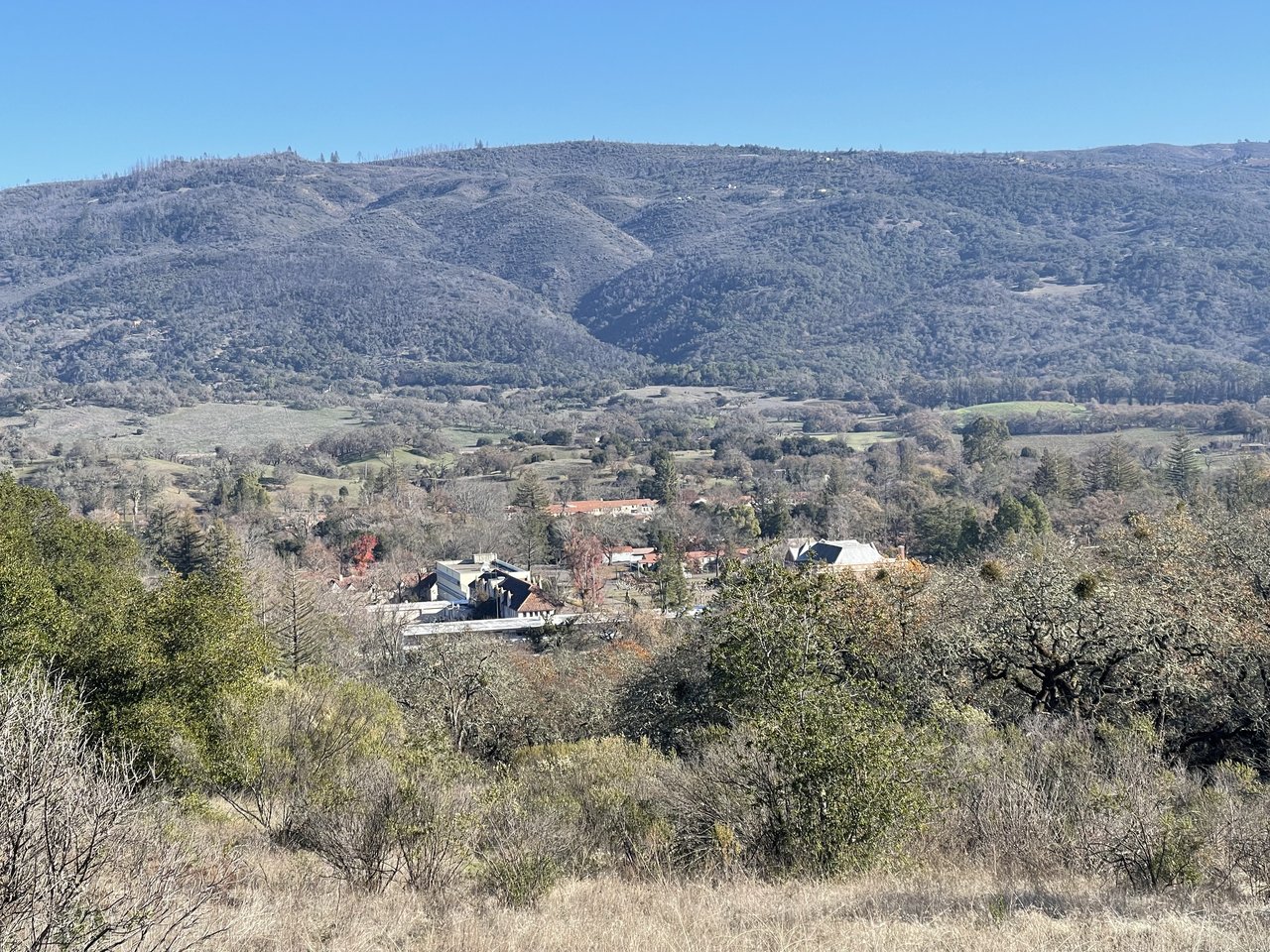
California's Sonoma Developmental Center took in its first 148 residents on Nov. 24, 1891, and its last resident moved out on Dec. 17, 2018. Those dates come from the state Department of Developmental Services (DDS), which says more than 45,000 people lived there over those 127 years.
This installment follows one institution from start to finish. Earlier parts covered Howe's 1848 school, the eugenics era and Buck v. Bell. Sonoma lived through all of that, and then through one of the most detailed closure plans any state has published.
Founded by two mothers
The institution began with parents. In 1883 Julia Judah and Frances Bentley, two Northern California women who had children with developmental disabilities, formed the California Association for the Care and Training of Feeble Minded Children. Its stated aim, DDS records, was a school and asylum where children "may be trained to usefulness."
The group's first home in Santa Clara soon proved too small. The legislature appointed a commission and appropriated $170,000 for land and buildings, and the commission chose a 1,640-acre site near Glen Ellen with water and two rail lines. The community that grew up around it was named Eldridge, after commissioner Oliver Eldridge.
A town of its own
Sonoma grew into one of the largest institutions in the state. According to DDS:
| Year | Residents | Notes |
|---|---|---|
| 1891 | 148 | Opening day |
| 1908 | 1,358 | Adults and children |
| 1966 | about 3,500 | About 1,800 staff; the largest employer in Sonoma County |
| May 2015 | 405 | Count in the state's closure plan |
It was built to be nearly self-sufficient, with a farm, a dairy and other industries where residents worked. It had its own post office and ZIP code, a theater, a hospital and a cemetery where nearly 2,000 people are buried or interred.
DDS acknowledges a mixed history. Some residents found care and friendship, it says; others faced discrimination, loss of freedom or harmful treatment shaped by the beliefs of the time. A memorial bench on the grounds honors people who were forcibly sterilized there, in the era described in Part 3 of this series. For years the cemetery had almost no markers; researchers at Sonoma State University are now working with families, former staff and local historians to identify the people buried there.
Why it closed
Three things came together, according to the state's 2015 closure plan:
- Changing policy. Since the 1960s, California's Lanterman Act has guaranteed people with developmental disabilities lifelong services, largely in the community. Since 1996 the state has closed four large developmental centers, Sonoma among them. A 2012 law stopped new admissions to developmental centers except in narrow circumstances.
- Federal funding. Residential units at Sonoma were found out of compliance with federal standards for intermediate care facilities, and the state was told federal funding for them would stop. A settlement with the Centers for Medicare & Medicaid Services kept the money flowing only for a limited time, on condition that residents of the affected units be moved to appropriate placements.
- Aging buildings. Major upgrades to living areas had last been made between 1979 and 1982.
The 2015 Budget Act made the closure law, and DDS submitted its plan to the legislature on Oct. 1, 2015.
Who still lived there
The closure plan described the 405 people living at Sonoma as of May 1, 2015:
- Long stays: 62% had lived there more than 30 years.
- Older adults: more than 90% were over 40, and 23% were 65 or older. The oldest was 91.
- Complex needs: 181 lived in nursing facility units and 224 in intermediate care units.
- Family ties: about 75% had family involved, as conservators or representatives.
Most people who commented on the plan wanted homes and services kept on the campus. The state said federal funding rules and the condition of the buildings made that impossible.
How the moves were planned
Each move was decided through the resident's Individual Program Plan, California's version of an individual support plan, by the person and an interdisciplinary team working with the regional centers that fund community services. The plan called for building new community capacity, including homes for people with complex medical needs, homes for people with challenging behavior, and crisis stabilization services, plus quality monitoring after people moved.
The last resident left on Dec. 17, 2018. Some former residents still live nearby, DDS says, and occasionally recognize former staff in town. The state's Department of General Services took over the property in 2019, and the last DDS employees left the campus on June 30, 2025. A state law directed Sonoma County to plan the reuse of the 930-acre campus with a focus on open space, affordable housing that includes homes for people with developmental disabilities, and economic feasibility. About 750 acres are open space next to regional and state parks.
Why this matters for providers and DSPs
- Transitions take real planning. People who had lived in one place for 30 years or more needed individual plans, new homes and new staff. Agencies taking on people leaving any large setting can learn from how the plan paired each move with specific supports.
- Community capacity has to exist first. The plan depended on building specialized homes and crisis services before people moved. Where that capacity is thin, transitions stall or fail.
- Families' fears are real. Many people who commented on Sonoma's closure wanted homes kept on the campus. Provider agencies and DSPs supporting former residents often build trust with families who were skeptical of community care.
- Federal rules drive closures. Sonoma's end was forced partly by federal funding standards, the same kind of rules that shape HCBS and facility care today. For how those two systems differ, see HCBS vs. ICF/IID.
- Remembering is part of the work. The memorial bench and cemetery project show that the people who lived in institutions have histories worth honoring, not just case files.