
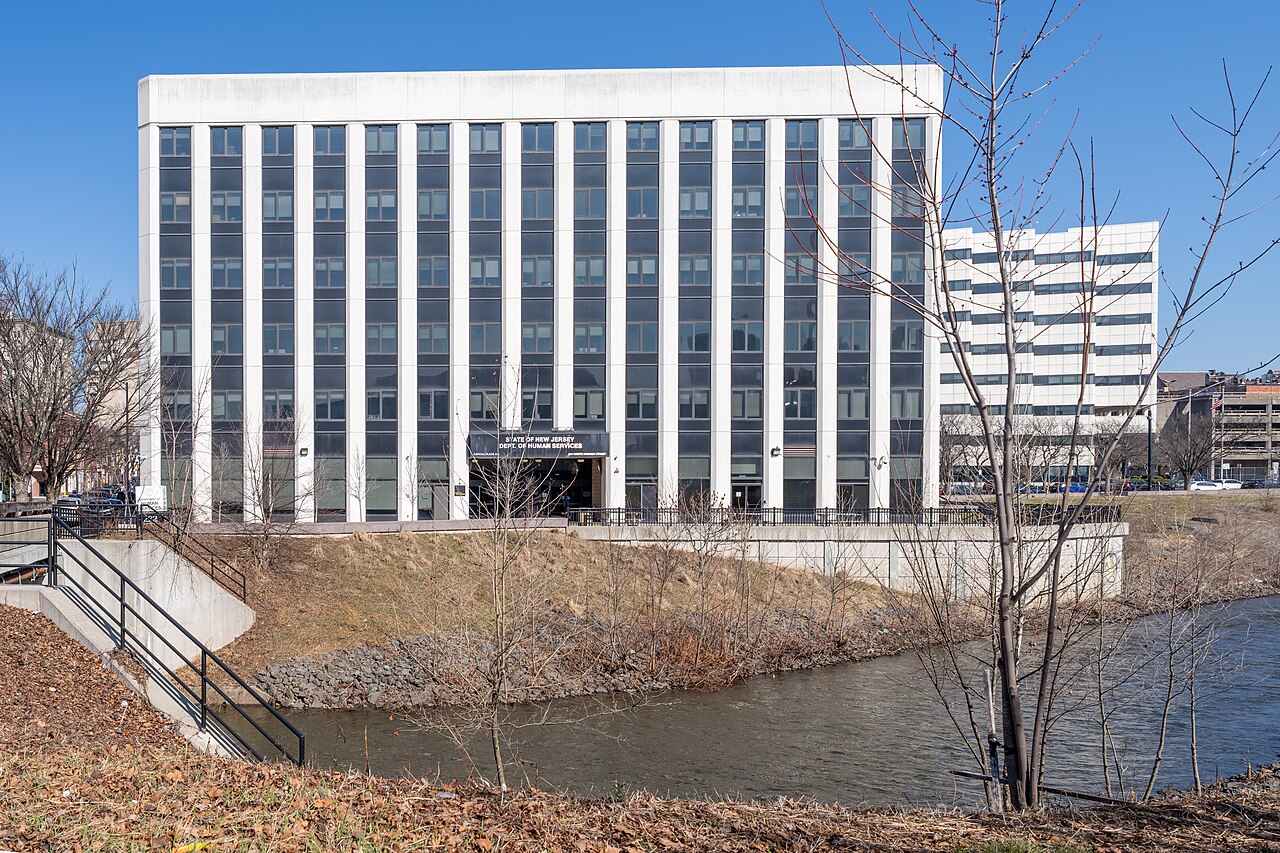
New Jersey Human Services has given the public until 5 p.m. on Tuesday, Oct. 13, 2026, to weigh in on how it will fine providers that serve adults with intellectual and developmental disabilities. The department moved the deadline from Sept. 29 in a post on X on Oct. 11. The rules it wants comment on are in its Proposed Provider Guidance on P.L. 2025, c.280, issued Sept. 15.
The guidance spells out how the department will use P.L. 2025, c. 280, the law that first let it fine I/DD providers when it took effect July 1, 2026 (our earlier story). It applies until formal regulations are written. Violations on or after July 1 can be documented now and become subject to fines once the guidance is formally issued.
The draft penalty schedule
| Violation | Penalty |
|---|---|
| Substantiated finding of sexual abuse, exploitation, or abuse, neglect or administrative neglect causing moderate or major injury | Up to $25,000 per incident |
| Running a provider-managed residence without a required license, or an uncertified day habilitation program | Warning, then $5,000, $7,500 and $10,000 |
| A second consecutive provisional license at the same home | $5,000, $7,500, then $10,000 |
| Employing someone on the Central Registry of Offenders or the child abuse registry | $5,000, $7,500, then $10,000 per person, per registry |
| Missing criminal background checks (initial or every two years) | Corrective action plan, then a ban on new admissions and transfers, then $5,000 to $10,000 per missing check |
| Missing required drug tests | Corrective action plan, then admissions ban, then $5,000 to $10,000 |
| No internal investigation report within 180 days of an alleged incident | $2,500 rising to $10,000 per investigation |
| No plan of correction after an Office of Investigations case closes | $2,500 rising to $10,000 per plan |
| Assignment to a Quality Management Team for chronic problems | $5,000, plus $5,000 every three months without improvement |
| A worker who fails to report suspected abuse, neglect or exploitation immediately | $350 per day, charged to the worker |
The offense count resets after 36 months with no violation of the same type. When the department raises a possible unlicensed home or uncertified day program, the provider must disclose any similar sites it runs at that point. Disclosed sites count as one offense; each undisclosed one counts separately. The department says it will post on its website when a provider is assigned a Quality Management Team.
Who decides and how to appeal
A Penalty Review Committee drawn from the Division of Developmental Disabilities and the Office of Program Integrity and Accountability, made up of staff with no tie to the case, decides fines and other penalties. Providers and individuals can ask for informal dispute resolution within 10 business days of a penalty letter. Asking does not pause payment, and the department aims to decide within 45 business days. A penalty appeal can't reopen the underlying investigation finding.
How to comment
Comments go by email to DHS-PenaltyInfo@dhs.nj.gov, the address listed on the department's P.L. 2025, c. 280 page, which also posts the law itself.
Why this matters for providers and DSPs
For agencies, the draft turns paperwork gaps into money. Overdue background checks, missed drug tests, late investigation reports and missing correction plans each carry escalating fines, and a pattern of problems can get a provider publicly named on the department's website as assigned to a Quality Management Team. Leaders who want changes to the amounts or the 36-month reset have until Tuesday afternoon.
For DSPs and supervisors, the $350-a-day penalty is personal: it is charged to the worker who knew and didn't report, not to the agency, and no criminal conviction is needed. Under the draft, a report made the same day the worker had reason to suspect abuse carries no penalty, and workers can report straight to the department, including through the DDD abuse hotline, if they want to stay anonymous or aren't comfortable reporting inside the agency.