New Hampshire's health department will have to track missed in-home care, review what it pays providers and help people find workers under a class-action settlement over its Choices for Independence (CFI) Medicaid waiver. The judge made a preliminary finding that the deal appears reasonable and approved the notice to class members on Oct. 7, 2026, according to the class notice from Disability Rights Center-NH. McKnight's Home Care reported the preliminary approval on Oct. 9, after New Hampshire Public Radio first reported the settlement on Oct. 7.
The case, Fitzmorris v. New Hampshire Department of Health and Human Services, was filed in January 2021. CFI pays for personal care, homemaker help, home health and skilled nursing at home for nearly 4,000 older adults and people with disabilities, according to an AARP Foundation release. Plaintiffs said the state didn't deliver services it had already authorized, putting people at risk of nursing facility placement in violation of the Americans with Disabilities Act and the Olmstead decision. An analysis of Medicaid data commissioned by plaintiffs' lawyers found that hundreds of participants each month received less than half of their authorized hands-on services.
The class covers people enrolled in CFI at any time after Jan. 11, 2021, who faced the risk of going into a nursing facility because they didn't get authorized services. The suit didn't seek money damages for individuals.
What the state must do
- Find the gaps every month. The Department of Health and Human Services (DHHS) must identify participants who received less than 50% of four authorized hands-on services (home health, personal care, homemaker and skilled nursing). DHHS and CFI case management agencies must then help them get a worker.
- Test the workforce every year. An independent consultant will check, statewide and by county, whether there are enough CFI workers. If the network isn't meeting needs, DHHS must take steps to raise what it pays for CFI services.
- Review rates. DHHS agreed to rate reviews using New Hampshire data and to ask the legislature for increases when the reviews call for them. The notice says DHHS already put an inflation-based CFI increase in its September 2026 budget request. NHPR reported that the settlement itself doesn't allocate new money.
- Act faster when a worker can't be found. DHHS must decide requests for higher "specialized rates" within three days when a participant can't find a provider, according to AARP Foundation.
- Answer grievances quickly. For complaints about missed authorized services, DHHS will generally make contact within two business days.
- Plan for no-shows. Participants should have backup plans naming an alternative provider or staffing when the usual worker is unavailable.
- Publish capacity. DHHS must keep an online list of CFI agencies and workers that can take more participants. NHPR reported that the directory goes in the NH Easy portal within 90 days of final approval.
- Report progress. Every six months, DHHS must give data to the consultant and plaintiffs' lawyers.
The settlement lasts at least four years, and some provisions could run six, according to AARP Foundation. DHHS agreed not to seek to end CFI while it is in effect. NHPR reported that the state will pay the plaintiffs' lawyers $4 million in fees and costs.
What happens next
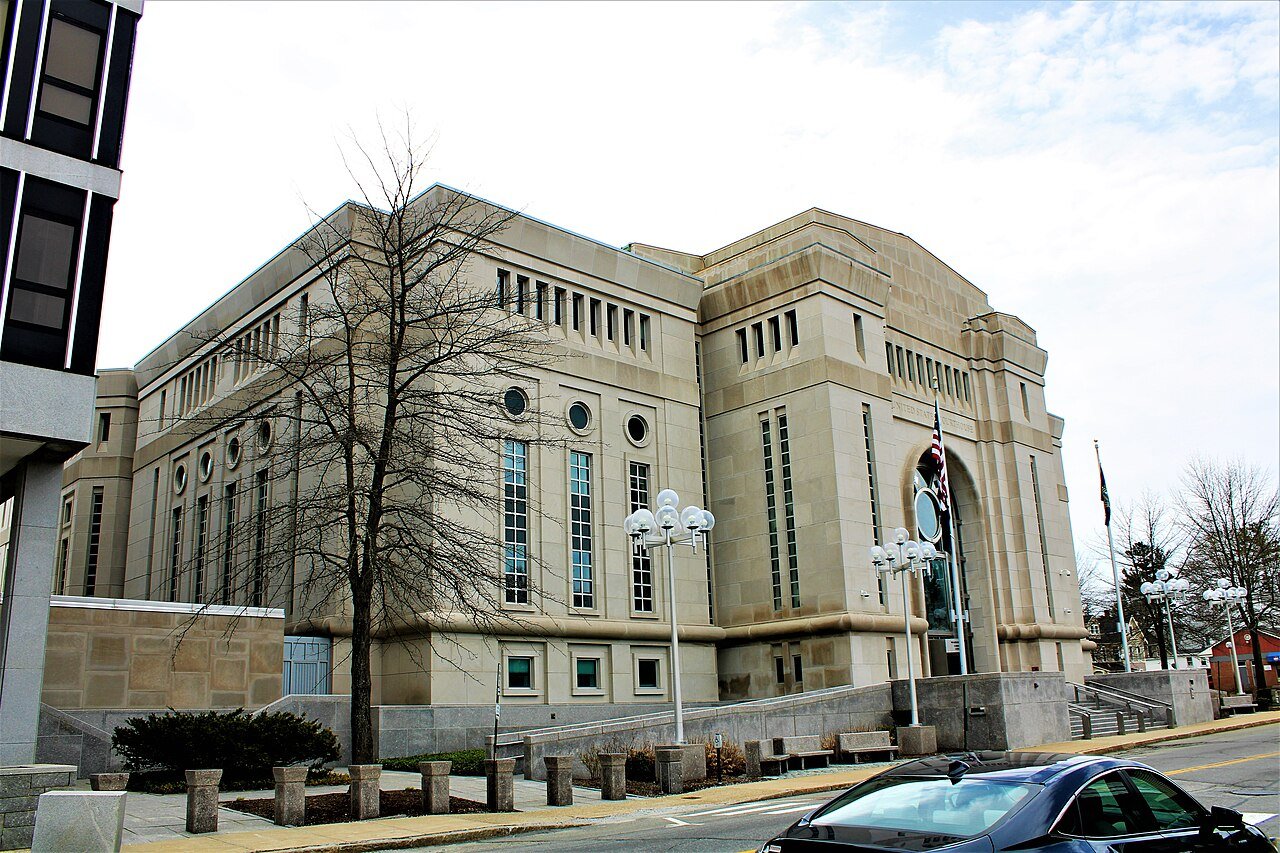
Information sessions are scheduled for Nov. 17 at 10 a.m. and Nov. 30 at 6 p.m. Class members can file written objections by Dec. 7, 2026. The final approval hearing is Jan. 21, 2027, at 2 p.m. at the U.S. District Court in Concord.
Why this matters for providers and DSPs
The case turned on a problem every HCBS system knows: services that were authorized but never staffed. The settlement links a court-monitored workforce test to rates. First the state measures whether enough direct care workers are available, and if they aren't, it has to act on pay.
Provider agencies serving CFI participants should expect monthly outreach about people with unfilled hours, quicker grievance contacts, requests for backup staffing plans and a public listing of who has openings. Advocates in other states could make the same "authorized but not delivered" argument wherever staff vacancies leave approved hours unfilled.