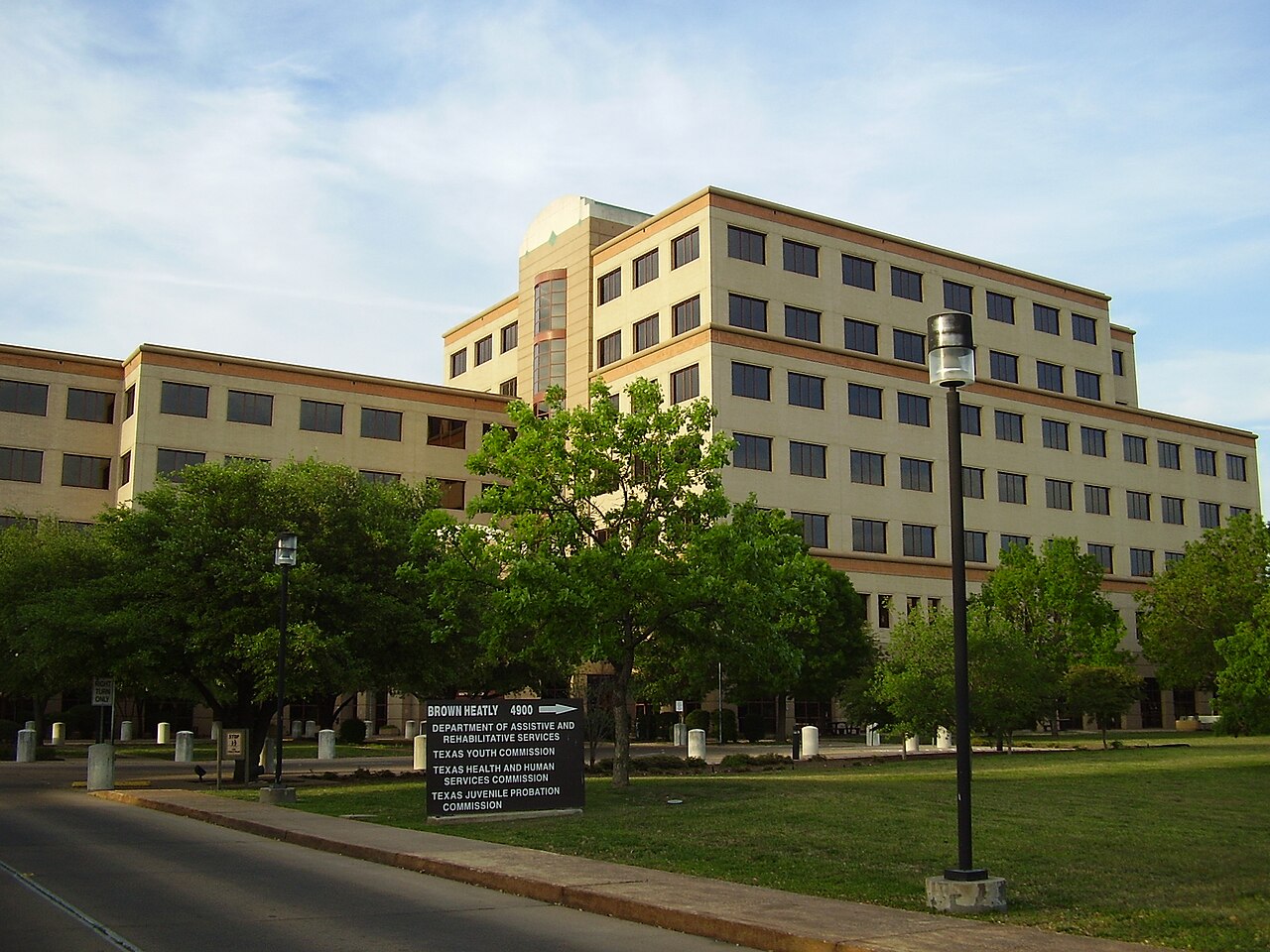
The Texas Health and Human Services Commission has asked the Legislature for no money at all for its Children's Autism Program in the 2028-29 budget. The program pays local agencies to provide focused applied behavior analysis (ABA) therapy to autistic children, and it currently runs on about $6.8 million a year in state general revenue.
The cut is in HHSC's Legislative Appropriations Request for Fiscal Years 2028 and 2029, Volume I, which the agency submitted to the governor's budget office and the Legislative Budget Board on Sept. 4, 2026. The Texas Tribune reported on Oct. 12 that the proposal had stunned advocates, providers and parents.
What the budget request shows
The autism program's line in HHSC's request:
| Fiscal 2025 (spent) | Fiscal 2026 (estimated) | Fiscal 2027 (budgeted) | Fiscal 2028-29 (requested) | |
|---|---|---|---|---|
| State funding | $5,154,792 | $6,831,542 | $6,831,542 | $0 each year |
| Average children served per month | 268 | 253 | 625 | 0 |
| Average yearly cost per child | $7,665 | $6,958 | $6,000 | none |
HHSC lists the full $13,663,084 two-year drop as part of its 3% base reduction. The program is paid for entirely with state general revenue, with no federal match.
The Tribune reported that the program paid for treatment for 583 children in fiscal 2026, and that its contractors report at least 1,000 more children on waiting lists. It said the program, which started in 2008, contracts with 16 providers.
Why HHSC chose it
On July 14, 2026, Gov. Greg Abbott, Lt. Gov. Dan Patrick and House Speaker Dustin Burrows told state agencies to cut their base budget requests by 3%. HHSC's summary of its 3% reductions puts the agency's target at about $335 million in general revenue funds. The "GR Funded Autism Program (non-Medicaid)" is one of a dozen client services the summary proposes to eliminate, alongside Healthy Texas Women navigator services and the Statewide Youth Services Network.
When the Tribune asked why the autism program was picked, HHSC pointed to that summary, which says the agency aimed its cuts at the lowest direct impact on clients and at protecting federal funding. Yet the budget request itself acknowledges the shortage. "The demand for services exceeds the availability of qualified providers especially in rural parts of the state," it says, adding that insurance now covers treatment but providers are often not available everywhere.
HHSC told the Tribune that if the Legislature agrees, children would keep receiving services through the end of August 2027, when the current budget ends.
Medicaid doesn't close the gap, advocates say
Texas Medicaid covers ABA for members, as HHSC notes on the program's page. Advocates told the Tribune that the state program reaches families Medicaid misses: children without insurance, children on self-funded employer plans that don't have to cover ABA, and Medicaid members who can't find a provider because of low reimbursement rates. Jolene Pohl of the Coalition of Texans with Disabilities said cutting the program would cost the state more later. The director of a university autism center told the paper her center isn't set up to take Medicaid or insurance and would need new funding by August 2027 to keep its program going.
Why this matters for providers and DSPs
The request is HHSC's opening bid. The 90th Legislature writes the actual budget in 2027, and lawmakers can restore the money. Until then, the program's 16 contracted providers face a possible end date of Aug. 31, 2027, and at least one, the university center the Tribune profiled, has no other way to pay for its program.
For families of autistic children, the program has been a way to get therapy for a developmental disability when Medicaid or private insurance doesn't come through. If it ends, more of those families would be looking for the same Medicaid ABA providers that advocates say are already hard to find because of low rates. It is the latest state move on ABA after rate cuts in New York and coverage changes in Indiana.