
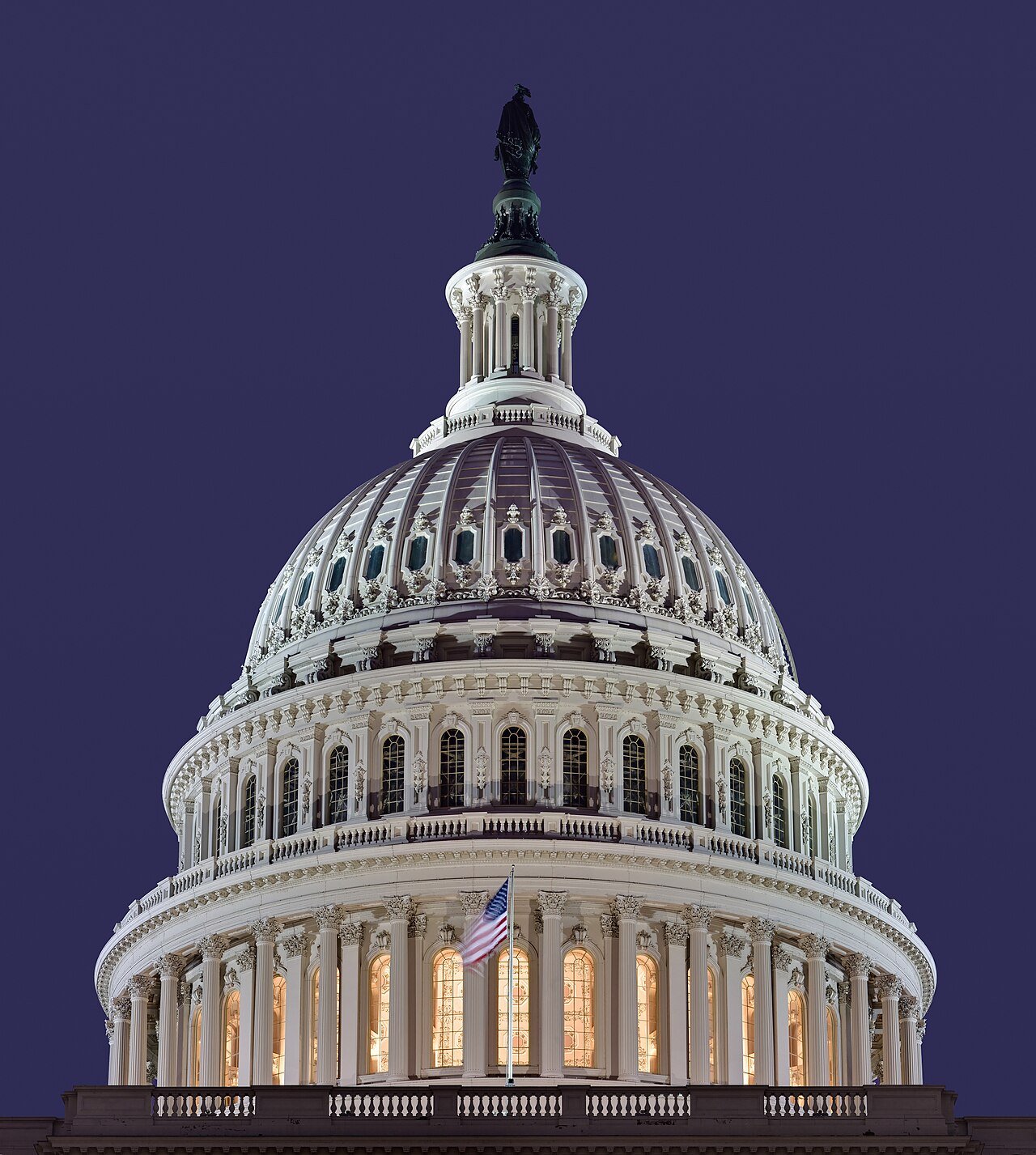
A bipartisan group of House members on Sept. 28 introduced H.Res. 1586, a resolution marking 27 years since Olmstead v. L.C. and stating Congress's intent that the Rehabilitation Act and the ADA require federally funded services in the most integrated setting appropriate.
The text, available on GovInfo, recognizes unjustified institutional isolation as discrimination, salutes the expansion of HCBS, and calls on federal, state, and local governments to advance community living, including competitive integrated employment. Rep. Debbie Dingell's office said cosponsors include Reps. Brian Fitzpatrick (R-Pa.), Mary Gay Scanlon (D-Pa.), Mike Lawler (R-N.Y.), Lateefah Simon (D-Calif.), and Tom Kean (R-N.J.).
Why now
The resolution lands after a Texas federal judge vacated community-integration language from HHS's 2024 Section 504 update in Texas v. Kennedy, and after a June Justice Department memo narrowed how the federal government reads the integration mandate. Stateline reported Oct. 2 that advocates see the rollback as part of a broader federal step-back from enforcing community living—even while Olmstead, the ADA, and Section 504 statutes remain.
A House resolution does not rewrite regulations. Dingell's office framed it as a public recommitment after members earlier condemned the DOJ opinion.
Why this matters for providers and DSPs
Provider agency leaders and DSPs should not treat H.Res. 1586 as a new funding stream or a restored HHS rule. It is a signal that some members of Congress still brand community services as civil rights while federal enforcement posture shifts. Watch state bills that try to lock integration language into state law, and keep documenting community placements that Olmstead still requires under the ADA.