
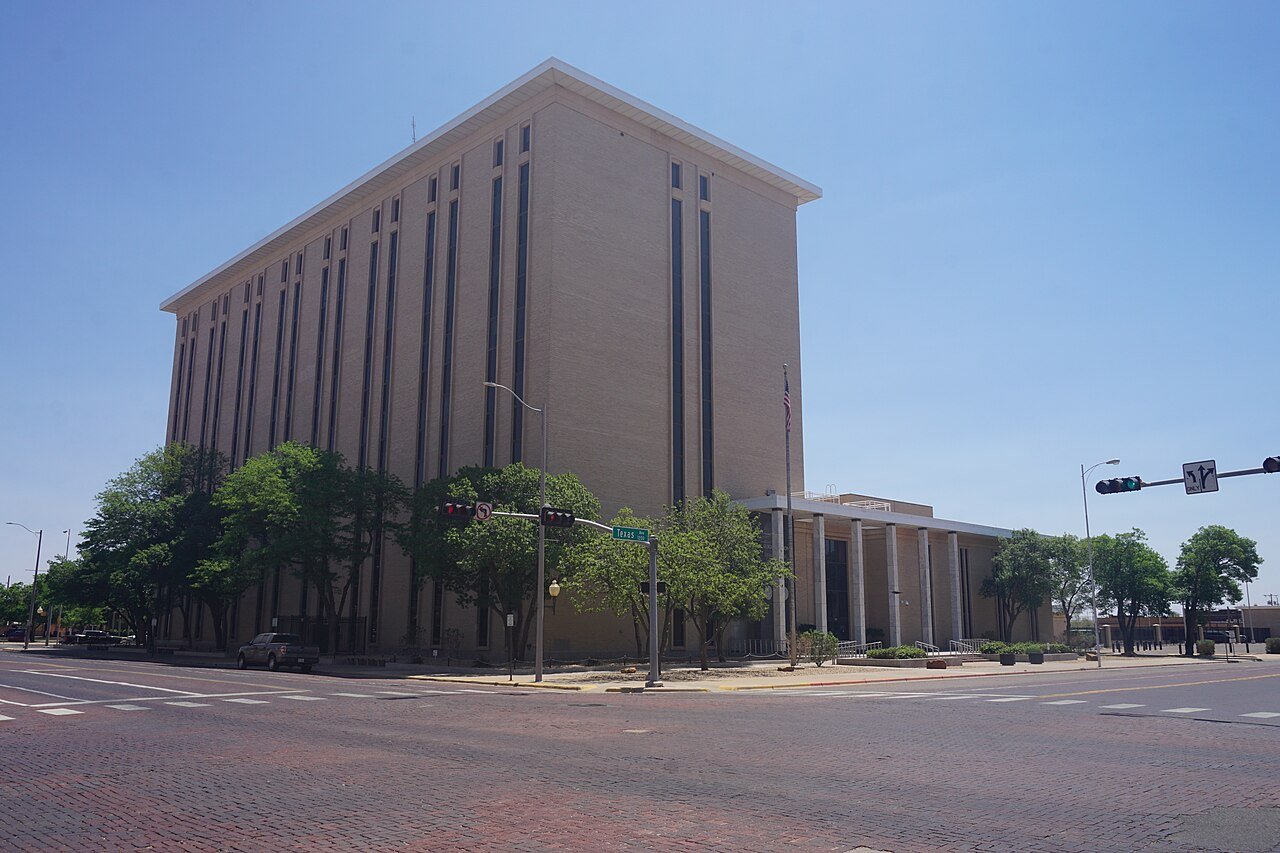
Texas and 16 other states sued the U.S. Department of Health and Human Services on Sept. 26, 2024, in federal court in Lubbock, Texas, to block parts of the department's May 2024 Section 504 rule, according to the complaint in Texas v. Becerra and a release from the Texas attorney general.
What the states challenged
The states argued the rule went beyond the Rehabilitation Act. They challenged language saying gender dysphoria may be a disability, and provisions on the "most integrated setting" requirement, including how the rule treats people at serious risk of institutionalization. They said the rule was arbitrary and capricious and asked the court to block its enforcement. The complaint also argued that Section 504 itself was unconstitutional under the Spending Clause.
The plaintiffs were Texas, Alaska, Alabama, Arkansas, Florida, Georgia, Indiana, Iowa, Kansas, Louisiana, Missouri, Montana, Nebraska, South Carolina, South Dakota, Utah and West Virginia.
Why this mattered for providers and DSPs
The integration requirement is the legal backbone of the Supreme Court's 1999 Olmstead decision, which drives the shift to home and community-based services. A ruling against it could affect how states plan services for people at risk of institutional placement. In a February 2025 joint status report, the states clarified that they were not asking the court to declare Section 504 unconstitutional on its face, according to the Civil Rights Litigation Clearinghouse.