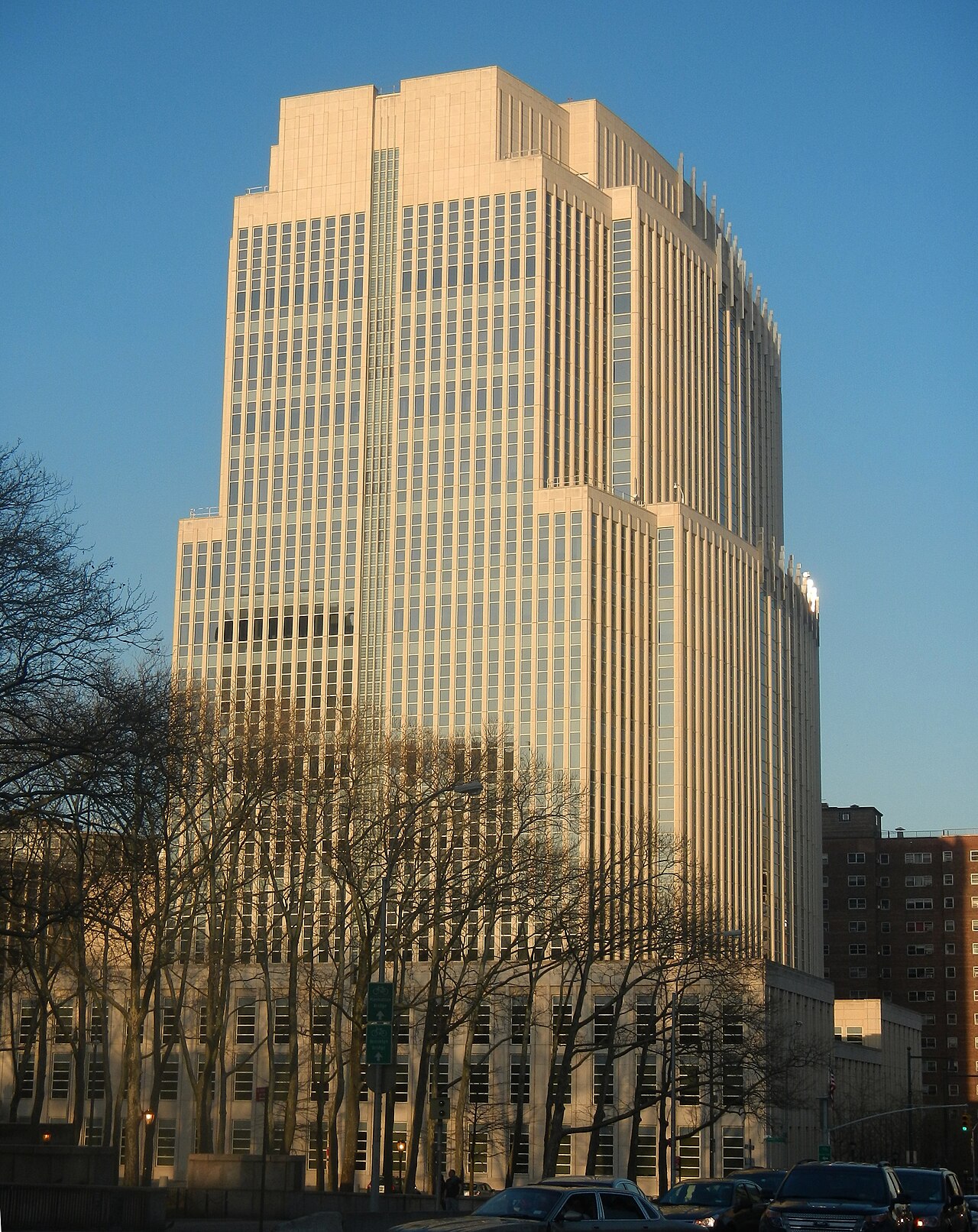
About 200,000 home care workers in New York's Consumer Directed Personal Assistance Program (CDPAP) are in line for back pay after a federal magistrate judge in Brooklyn approved a $162 million class settlement with Public Partnerships LLC (PPL) on Nov. 10. Judge Lara K. Eshkenazi of the Eastern District of New York ruled from the bench in Calderon v. Public Partnerships, LLC (No. 1:25-cv-02320), according to the workers' lawyers at Katz Banks Kumin LLP and The Legal Aid Society; Nexstar's News10 and amNewYork also covered the hearing.
PPL became the state's single fiscal intermediary for CDPAP in spring 2025, replacing hundreds of local payroll organizations. CDPAP is New York's consumer direction program: Medicaid members who are older or have disabilities hire their own caregivers, often relatives or friends, and the fiscal intermediary handles payroll and benefits.
Who is covered
The class is current and former personal assistants who worked in New York City, Nassau, Suffolk or Westchester counties at any time from March 1, 2025, through April 30, 2026, and were paid through PPL, according to the settlement website. Work done only elsewhere in the state is not covered. Workers who stay in the class do not need to file a claim form.
What the workers alleged
The four named plaintiffs, personal assistants from Staten Island, Nassau, Suffolk and Westchester, said PPL paid them late or inaccurately and that its app, phone system and online portal lost hours they had worked, News10 reported. They also said PPL's benefits did not meet New York's Home Care Worker Wage Parity Act, which requires extra pay or benefits on top of base wages. According to News10, the complaint said PPL took 62 or 87 cents an hour for an insurance plan and a benefits debit card, plus 65 to 67 cents an hour for paid time off, with the amounts depending on location.
"We still had to show up every day because somebody depended on us," said Allison Fields, one of the plaintiffs, in the lawyers' announcement.
PPL denies the allegations. A spokesperson told amNewYork that settling was not an admission of fault and was a practical decision to avoid the cost and disruption of more litigation.
Where the money goes
| Part of the $162 million | Amount |
|---|---|
| General damages | $40.5 million |
| Refunds for the health plan | $25 million |
| Paid time off | $92 million |
| Reserve fund | $4.5 million |
Source: News10's summary of the June 23, 2026 settlement agreement. Before workers are paid, up to 15% goes to attorney fees, up to $850,000 to legal and administrative costs, and $15,000 to each lead plaintiff. Individual checks depend on hours worked and how much PPL deducted for health benefits and paid time off. Money from checks not cashed within 90 days goes to a second round of payments or to Disability Rights New York. The settlement also ended mandatory enrollment in the PPL health plan as of April 30, 2026.
When payments come
If no one appeals, the settlement takes effect 30 days after approval, and PPL then has 30 days to fund it, so payments are expected in early 2027, the plaintiffs' lawyers said. Workers can confirm their payment and contact details on the settlement website or with administrator Atticus Administration at 800-314-2601.
Not the end of the PPL fight
- Arbitration. amNewYork reported that the court had blocked PPL from asking workers to sign a mandatory arbitration agreement for future wage claims while the settlement was pending. With the settlement final, barring appeals, PPL can send that agreement, and workers may choose to opt out.
- Other suits. amNewYork reported that two other wage class actions against PPL are pending.
- Beyond New York. A Nov. 10 report from the Private Equity Stakeholder Project and Americans for Financial Reform Education Fund says PPL, owned by private equity firms since 2022, runs payroll and benefits for self-directed programs covering more than 700,000 participants and caregivers in 18 states, and documents late pay and lost services during transitions in Pennsylvania and New Jersey. PPL disputed both that report and a new Cornell study in a statement to McKnight's Home Care, citing a 2026 survey of its participants.
- Organizing. CDPAP workers have also been seeking a union vote, and one caregiver filed charges with the NLRB in October.
What this means for providers and DSPs
- For CDPAP workers downstate: keep your mailing and bank information current with the settlement administrator, and read any arbitration agreement from PPL closely, including how to opt out.
- For agencies in self-direction: this case is a reminder that the payroll vendor's systems are part of the care system. When time entry fails, direct care workers go unpaid and some leave, and participants lose services.
- For states choosing one statewide vendor: MACPAC has weighed putting self-direction supports under one entity. New York's experience, now with a nine-figure wage settlement attached, is a case study for any state weighing that kind of contract.