
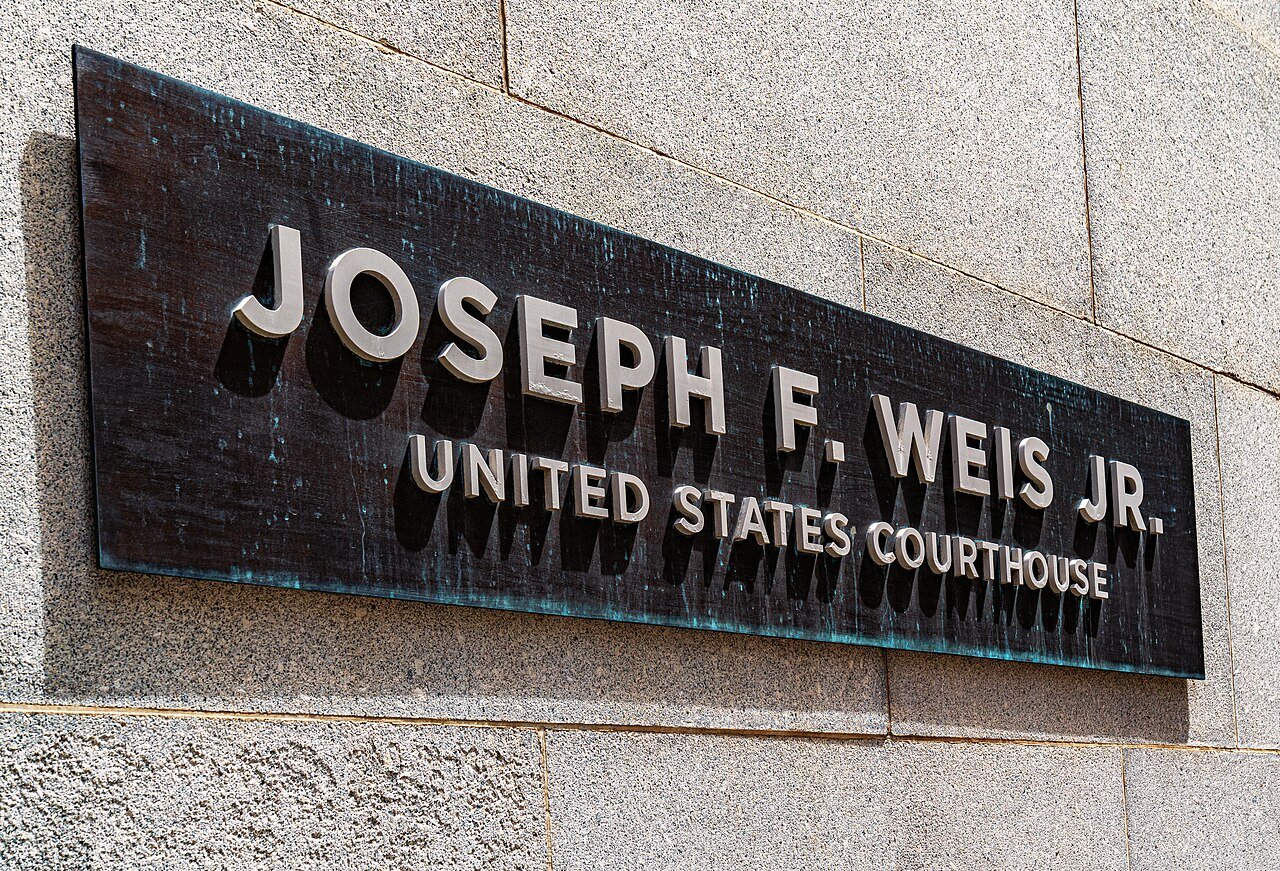
Two home care companies in western Pennsylvania no longer have to follow a 2013 U.S. Department of Labor rule that barred agencies from using the federal overtime exemption for live-in domestic workers, after a federal judge in Pittsburgh ruled on Oct. 29 that the department went beyond the authority Congress gave it.
The ruling is narrow. U.S. District Judge W. Scott Hardy set the live-in provision aside only for the two plaintiffs and declined to strike it for everyone. He upheld the companionship piece of the same rule, which keeps agencies from claiming the companionship services exemption.
What the court decided
The consolidated cases are Intra-National Home Care, LLC v. U.S. Department of Labor (No. 2:20-cv-01545) and AgeWell Home Helpers, Inc. v. U.S. Department of Labor (No. 20-1773), both filed in October 2020 in the U.S. District Court for the Western District of Pennsylvania. The public docket shows the Third Circuit vacated an earlier district court judgment in September 2024 and sent the case back. The court heard oral argument on Feb. 19, 2026. On Oct. 29 it granted each side's motion for summary judgment in part and denied each in part.
The dispute is over 29 C.F.R. § 552.109, part of the department's 2013 home care rule. The Fair Labor Standards Act exempts some domestic service workers from federal wage rules. One exemption, at 29 U.S.C. § 213(a)(15), covers people who provide companionship services to someone who cannot care for themselves. Another, at § 213(b)(21), exempts live-in domestic workers from overtime. The 2013 rule says "third party employers," such as home care agencies, cannot claim either exemption. Only the individual, family or household that employs the worker directly can.
The judge's main findings:
- Live-in exemption, § 552.109(c). Applying the Supreme Court's 2024 Loper Bright decision, which ended court deference to agency readings of statutes, the court found the department exceeded its delegated authority. It declared the provision unlawful and set it aside as to the plaintiffs.
- Companionship exemption, § 552.109(a). The court upheld this part as in accordance with law. It said it was bound by Long Island Care at Home, Ltd. v. Coke (2007), in which the Supreme Court upheld the department's authority to decide whether companions employed by third parties fall within the exemption.
- Scope. The court refused the plaintiffs' request to vacate the rule nationwide. The rule remains on the books for every other employer.
Intra-National processes service and payroll paperwork for direct care workers who support elderly or disabled family or household members of low-income families. WorkersRights.News reported that the opinion describes this work as part of a Medicaid waiver program. AgeWell employs direct care workers. A Bars Across summary also says the companies' claim that the rule was arbitrary and capricious failed.
A split with the Sixth Circuit
The Pittsburgh ruling cuts against a federal appeals court decision from this spring. On April 1, 2026, the U.S. Court of Appeals for the Sixth Circuit affirmed a judgment for the department in Department of Labor v. Americare Healthcare Services, an Ohio enforcement case. That court held that the third-party employer rule, including the live-in part, was a reasonable and reasonably explained use of authority Congress expressly delegated to the department. Appeals from the Western District of Pennsylvania go to the Third Circuit.
The department is already moving to drop the rule
The court case runs alongside the department's own effort to undo the 2013 rule.
- On July 2, 2025, the department proposed rescinding the third-party employer limits, which would let agencies again claim both exemptions. Comments closed Sept. 2, 2025. WorkersRights.News reported that the federal regulatory agenda lists a final rule for November 2026, and that the department's analysis puts the upper bound of agency-employed home care workers at about 3.7 million.
- On July 25, 2025, the Wage and Hour Division issued Field Assistance Bulletin 2025-4. It said the division would stop enforcing the provisions added in 2013 and would not bring actions against third-party employers that claim either exemption while the rule is being reconsidered.
So the federal agency has not been enforcing the 2013 limits for more than a year. Still, the regulation itself stays in force for everyone except the two plaintiffs, and a final rescission has not been published.
What this means for providers and DSPs
- Most agencies see no immediate change. The order covers only Intra-National and AgeWell. A provider agency anywhere else that has been paying overtime to live-in or companion staff under the 2013 rule is still subject to it on paper. Federal enforcement, however, is paused under the 2025 bulletin.
- Pennsylvania agencies still owe overtime under state law. The federal ruling does not touch Pennsylvania's Minimum Wage Act. A Department of Labor & Industry fact sheet says home care workers employed by an agency or other third party are covered by the state law. It cites the Pennsylvania Supreme Court's 2010 Bayada Nurses decision, which held that agencies cannot claim the state's domestic services exemption. The sheet requires overtime after 40 hours a week and says no sleep time may be deducted from shifts under 24 hours. Agencies in other states should check their own state wage laws.
- Live-in and companion arrangements are the ones to watch. The rule matters most for HCBS staff who live in the home of the person they support, or whose job fits the federal definition of companionship. In I/DD services, that can include some live-in and in-home support models.
- Watch for a final federal rule. If the department finalizes the rescission, agencies and state Medicaid rate-setters may revisit overtime budgets and staffing hours planned around the 2013 rule, at least in states without their own overtime protections.
- For DSPs. Workers employed by an agency in a live-in or companion role can ask how their hours, including overnight time, are counted and paid. Keeping personal records of hours worked is a common practice whatever the outcome.
No notice of appeal from the Oct. 29 judgment appeared on the public docket as of Nov. 3.