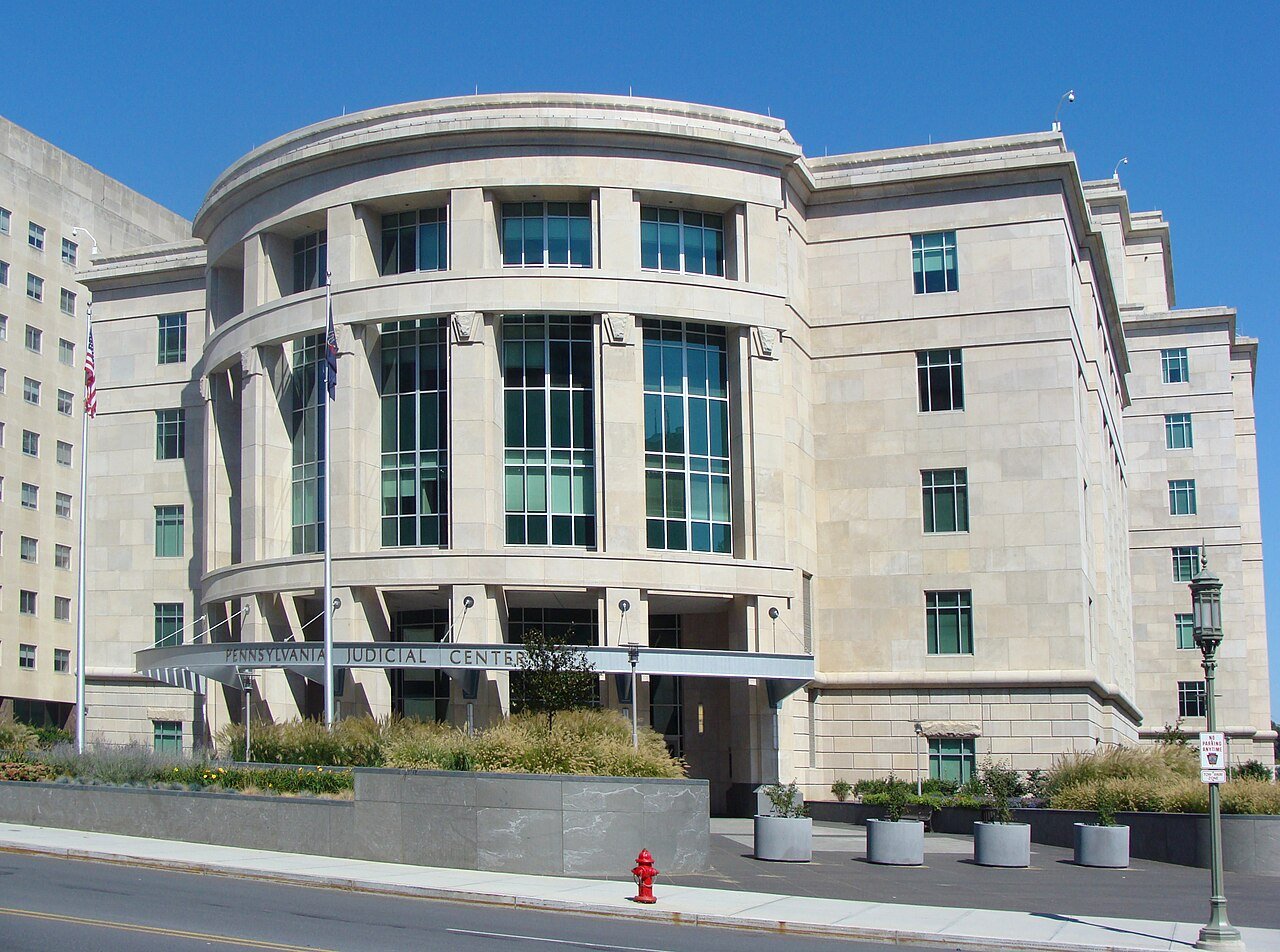
A class action filed Sept. 16 in Pennsylvania's Commonwealth Court asks the judges to throw out two limits that the state's Office of Developmental Programs (ODP) built into the paperwork families must sign to self-direct care: the 40/60 rule on paid hours and a travel rule on where services can happen. The limits come from ODP Announcement 26-051, issued May 8, 2026. Spotlight PA first reported the lawsuit on Sept. 18.
The four plaintiffs have intellectual and developmental disabilities and live in Allegheny, Cumberland, Lebanon and Montgomery counties. The Public Interest Law Center and pro bono co-counsel at the law firm Kessler Topaz represent them, CNHI reported.
What the rules require
The rules apply to people who use participant-directed waiver services, where a family member or other representative acts as the employer.
- Hours: Medicaid generally pays one worker for no more than 40 hours a week, and relatives or legal guardians for no more than 60 hours a week combined, for certain in-home and community supports and companion services, according to Spotlight PA. A state spokesperson said the hours limit has an exception for emergencies.
- Travel: ODP's announcement says the updated employer agreements require that waiver services from support service professionals take place in Pennsylvania or a state that borders it. The spokesperson said there are exceptions for medical treatment in other states.
- Deadline: Agreements signed before May 8 became void on Aug. 6. Not returning a new one triggers corrective action and can end the family's employer role, the announcement says.
Why the families say the rules are void
Earlier this year, Commonwealth Court ruled in cases brought by two Northumberland County families that earlier versions of both limits were regulations the state never properly adopted, and so were null and void. In early May the court made those opinions precedential. The new suit argues that putting nearly the same limits into required forms skips the rulemaking process again. "DHS-ODP should not be allowed to do an end run around this court's precedents," the complaint says, as quoted by CNHI.
What the state says
The Department of Human Services declined to comment on the lawsuit. Earlier in September, a spokesperson told Spotlight PA the policies were not entirely new, that the department must protect the Medicaid program's finances and follow wage, overtime, claiming and health and safety rules, and that it has started updating its regulations, with a public comment period to come.
As of early September, more than 8,300 participants or their delegates had returned signed agreements, 93% of those required, the department said. The lawsuit says people who signed but noted reservations were told those forms were invalid and that they must sign again by Sept. 28.
Why this matters for providers and DSPs
About 8,000 of the roughly 40,000 people in ODP's home and community-based services programs self-direct their services, according to the lawsuit as reported by CNHI. Many rely on relatives because, the lawsuit says, families struggle to find outside direct support professionals, especially in rural areas.
If families lose paid relative hours, provider agencies may be asked to fill shifts they already struggle to staff, and supports coordinators will field questions about switching service models. Financial management services vendors and Agency With Choice providers are the ones collecting the new agreements. The travel limit also affects paid staff who go along on trips to states that don't border Pennsylvania.
The fight echoes a national one: federal health officials have questioned Medicaid pay for family caregivers (background). For how self-direction works, see our self-direction and FMS explainer.