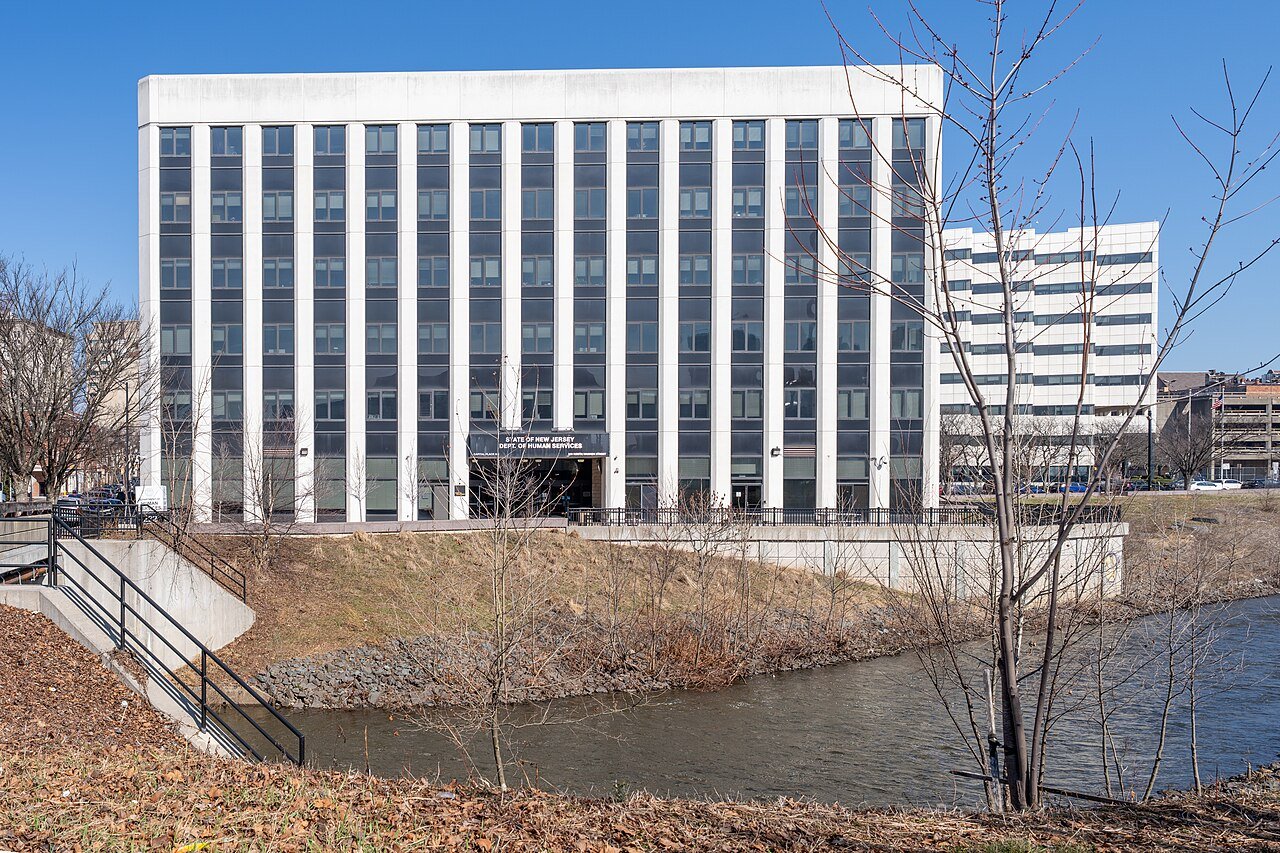
New Jersey's Division of Developmental Disabilities (DDD) told its providers on Oct. 27 that a temporary exemption from the state's behavior analyst licensing law ends on May 6, 2027. After that date, the clinical work behind DDD-funded Behavioral Supports must be done by a New Jersey Licensed Behavior Analyst or by another licensed professional working within that license's scope.
The information bulletin, signed by Assistant Commissioner Jonathan Seifried and addressed to all DDD service providers and stakeholders, says neither DDD nor the licensing board has the authority to extend the date, because it is set in law.
What the law and rule say
New Jersey's Applied Behavior Analyst Licensing Act, P.L. 2019, c. 337, took effect in 2020. It created the State Board of Applied Behavior Analyst Examiners, whose rules sit at N.J.A.C. 13:42B. The board's scope section, N.J.A.C. 13:42B-1.1, lists who is exempt from licensure. Two of those exemptions are time-limited:
- People delivering ABA through DDD, or under a DDD contract, where DDD or a DDD-contracted provider is the only payer. This exemption ends May 6, 2027.
- People delivering ABA through New Jersey's Early Intervention System under similar conditions. That exemption runs until May 6, 2029.
The rule also exempts licensed professionals such as psychologists, social workers, counselors, marriage and family therapists, speech-language pathologists and physicians when the work is within their own scope of practice. It separately exempts paraprofessional technicians who work under the direction of a licensee.
Which services are affected
The bulletin says many activities billed as DDD Behavioral Supports under procedure code H0004HI22, or delivered to people whose behavioral acuity is funded through an acuity-differentiated rate, may count as applied behavior analysis under state law. It names five:
- conducting a functional behavior assessment;
- developing or revising a behavior support plan;
- developing behavioral interventions;
- evaluating whether a plan or intervention is working; and
- making clinical decisions based on behavioral data.
Certification is not a license
The bulletin is direct on this point. Board certification from the Behavior Analyst Certification Board "does not replace/is not equivalent to licensure," so a BCBA or BCBA-D working in New Jersey after May 6, 2027 will also need a current New Jersey license unless another exemption applies. DDD service authorization and Medicaid prior authorization are not licensure either. In DDD's words, being able to bill for Behavioral Supports "in no way constitutes compliance" with the act.
For licensed professionals relying on the professional-practice exemption, the bulletin says a license alone does not cover every ABA service. The work must fit the person's scope, education and competence. When that is unclear, the provider or person should get confirmation from the relevant licensing board before assigning or billing the service and keep the documentation for state or federal auditors.
What DDD is asking providers to do now
DDD "strongly advised" providers to start preparing immediately. Its checklist for agencies that deliver or bill Behavioral Supports:
- Identify every employee and contractor who assesses, writes or revises plans, develops interventions, evaluates effectiveness, reviews behavioral data or directs interventions.
- Verify each person's current New Jersey license.
- Assign those clinical tasks only to people legally authorized to do them.
- Set up supervision that complies with N.J.A.C. 13:42B for licensed assistant behavior analysts, paraprofessional technicians, Registered Behavior Technicians, students and other supervised staff.
- Update job descriptions, contracts, policies, credentialing records, staff titles, supervision procedures and clinical-signature rules.
- Make sure anyone practicing ABA who is not otherwise exempt applies for and receives a New Jersey license before the deadline.
- Write a transition plan so services and payments are not interrupted.
The bulletin warns that noncompliance can lead to repayment of claims, losing the ability to deliver or bill the affected service, and referral to the relevant licensing board.
What this means for providers and DSPs
For agency leaders, the practical question is who on staff signs the behavior support plan, who runs the functional assessment, and who reviews the data. If the answer today is someone who holds BCBA certification but no New Jersey license, or someone working under the DDD exemption, that arrangement has about six months left. Budgets may also need to account for licensed clinicians' time and for the supervision ratios the board's rules require.
For direct support professionals, day-to-day work is unlikely to change directly. DSPs typically carry out plans rather than write them. Still, the people writing, revising and signing those plans, and supervising the technicians who help implement them, may change at some agencies before May. DSPs and frontline supervisors should expect questions about who to go to with behavioral data and plan concerns as agencies reorganize.
Families and support coordinators may want to ask their behavioral support provider now whether its clinicians are licensed or have a plan to be, so that a plan review or reassessment is not delayed next spring.
DDD notes that its bulletin is not legal advice and that providers are responsible for their own compliance. Questions about licensure itself go to the New Jersey State Board of Applied Behavior Analyst Examiners.