
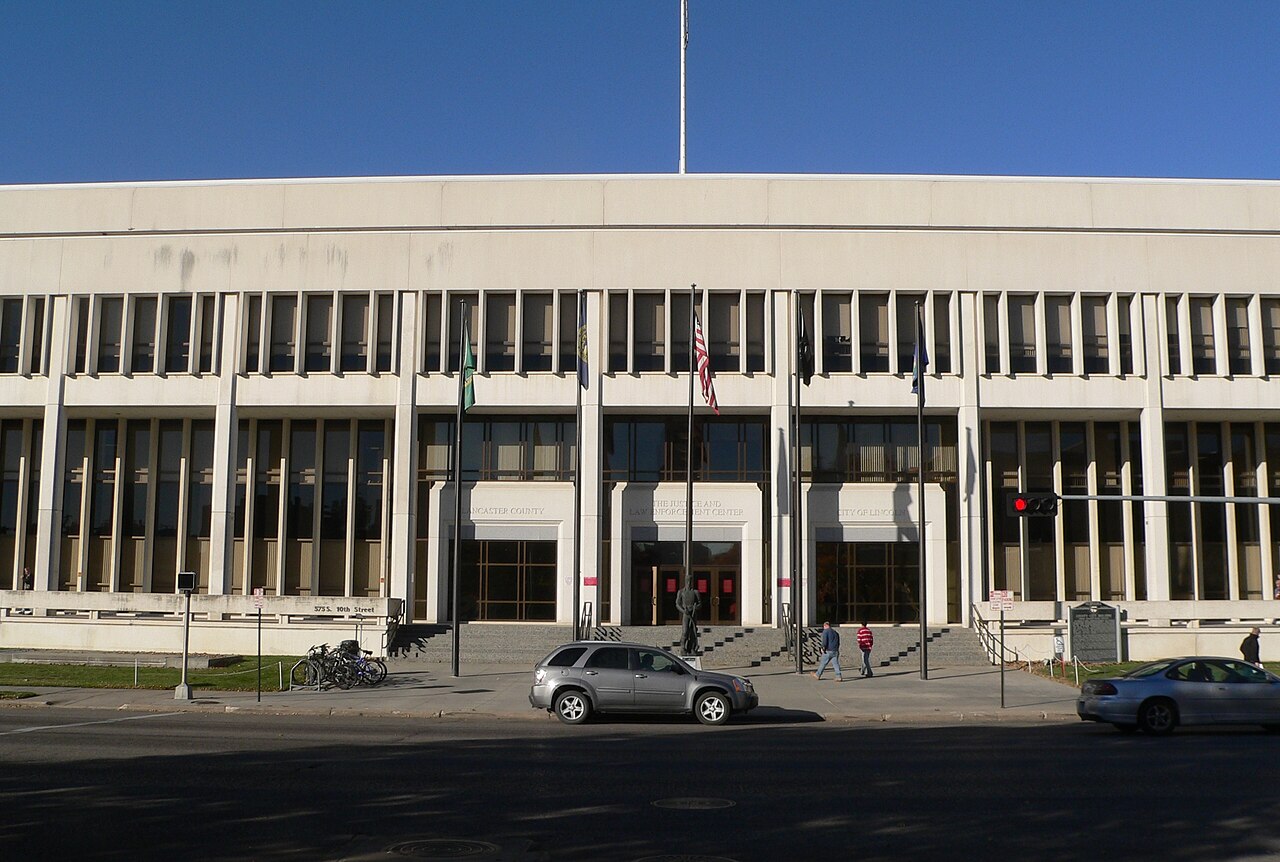
A Nebraska judge has refused the state's request to throw out most of a lawsuit over how the Department of Health and Human Services (DHHS) uses the interRAI assessment to set funding for people with developmental disabilities. In an Oct. 29 order, Lancaster County District Judge Darla S. Ideus overruled DHHS's partial motion to dismiss and lifted an Aug. 21 stay on the rest of the case.
The order does not decide who is right. It means the case, Bessey v. Nebraska Department of Health and Human Services, moves forward on all of its claims.
How the case started
Angela Bessey brought the suit as guardian and next friend of Nicholas Bessey, who gets Medicaid home and community-based services through Nebraska's developmental disability waiver. According to the amended petition filed March 19, 2026, by Legal Aid of Nebraska:
- On or about Sept. 26, 2025, DHHS sent a notice of redetermination saying his annual individual budget amount would be "Intermediate" starting Nov. 1, 2025.
- The notice said his level "has been redetermined and has not changed." It gave no dollar amount and cited no statute or regulation.
- The new tier cut his yearly budget from about $194,000 to $126,437.19, roughly 35%. The Lincoln Journal Star reported that he had been at the highest funding level for 14 years.
At a Jan. 9, 2026, fair hearing, Bessey's side pointed to interRAI answers it said were scored wrong, including his Medicaid and Social Security status, hours of unpaid support, health conditions, medications and the help he needs with meal preparation. The Jan. 14 hearing order, entered by Tony Green, director of the DHHS Division of Developmental Disabilities, upheld the cut. It found that Bessey had not shown that changing any of those answers would change his funding level.
What the lawsuit claims
The petition names DHHS, its chief executive officer Steve Corsi and Green. Its claims fall into three groups:
- Due process. The notice didn't explain why his funding dropped, and DHHS turns interRAI answers into funding tiers using criteria and decision rules it has not disclosed, so families can't check or effectively challenge the result.
- Nebraska Administrative Procedure Act. DHHS has not adopted rules setting out how assessment results become funding tiers, and the rules it does have are too vague.
- Developmental Disabilities Services Act. State law (Neb. Rev. Stat. § 83-1209) directs the state to have the amount of funding for specialized services determined by an objective assessment process. The petition argues a process can't be objective when its criteria aren't public.
Besides restoring his budget, the petition asks the court to bar DHHS from using its current interRAI-based process to set DD funding until lawful rules are in place, to reinstate services that were cut using interRAI, and to keep the higher tiers of people whose funding went up.
What the state argued and what the judge decided
In a June 8 brief, the state asked the court to dismiss six of the 10 claims. It raised sovereign immunity and argued that no law requires DHHS to put its assessment criteria into regulations. It also pointed to LB958, a 2026 law on how DHHS must explain assessment results.
Judge Ideus heard arguments Aug. 21. Applying the Nebraska Supreme Court's standard from Ramaekers v. Creighton University (2025), she found this was not "the unusual case" in which the petition itself shows "some insuperable bar to relief." She overruled the motion on the first, third, fourth, fifth, sixth and seventh claims.
"This ruling is an important step forward," Mark Bestul, a senior attorney with Legal Aid of Nebraska, said in a release from the National Health Law Program. Nebraska Appleseed, the National Health Law Program and TechTonic Justice are co-counsel.
What LB958 already requires
LB958, which the governor approved April 16, 2026, took effect right away under an emergency clause. It names the InterRai system as one of the assessment tools it covers. Under the law:
- When DHHS tells a waiver participant, or a parent or guardian, about an eligibility decision, service tier or service hours, it must give a complete explanation of the tier, a clear and precise explanation of the assessment results, and information on the right to appeal.
- Waiver services must be based on individual assessments of medical necessity, functional need, and health and safety, set through person-centered planning. They must be enough in amount, duration and scope to meet participants' needs and prevent unnecessary institutionalization.
- Before any cut to a person's tier, hours or services takes effect, DHHS must do an immediate supervisory review of the assessment and decision.
- DHHS must report to lawmakers and the Public Counsel by Aug. 1, 2026, and Aug. 1, 2027, on the DD waiver that uses intermediate level-of-care criteria. The reports must explain any nonproprietary algorithms or scoring matrices and give the number and percentage of people whose tiers stayed the same, went up or went down.
The state says the overall picture is better than this case suggests. DHHS told the Journal Star that of roughly 2,800 people assessed, 17% moved to a lower tier and 83% stayed the same or went up. As we reported Oct. 19, the department has also sought bids for an independent evaluation of interRAI's first year.
What this means for providers and DSPs
- Nothing changes right away. The order lets the case go forward. It doesn't stop interRAI or restore anyone's budget. Current authorizations stand unless DHHS or a court changes them.
- The requested relief is statewide. If the court eventually grants the injunction Bessey seeks, it could affect how DD funding tiers are set for everyone on the waiver, not just one person. No ruling on that request has been made.
- Notices have to meet LB958. Provider agencies and supports coordinators helping people with a lower tier can check whether the notice explains the tier and the assessment results and gives appeal rights, as the law now requires.
- Records matter in appeals. The Bessey hearing turned on whether wrong answers would have changed the funding level. Accurate records of the support a person actually needs, including DSP hours and unpaid help from family, can help in a fair hearing.
- Watch for the reports. The LB958 reports to lawmakers must show how many people's tiers went down and why. They may be the clearest public look at how interRAI is working.