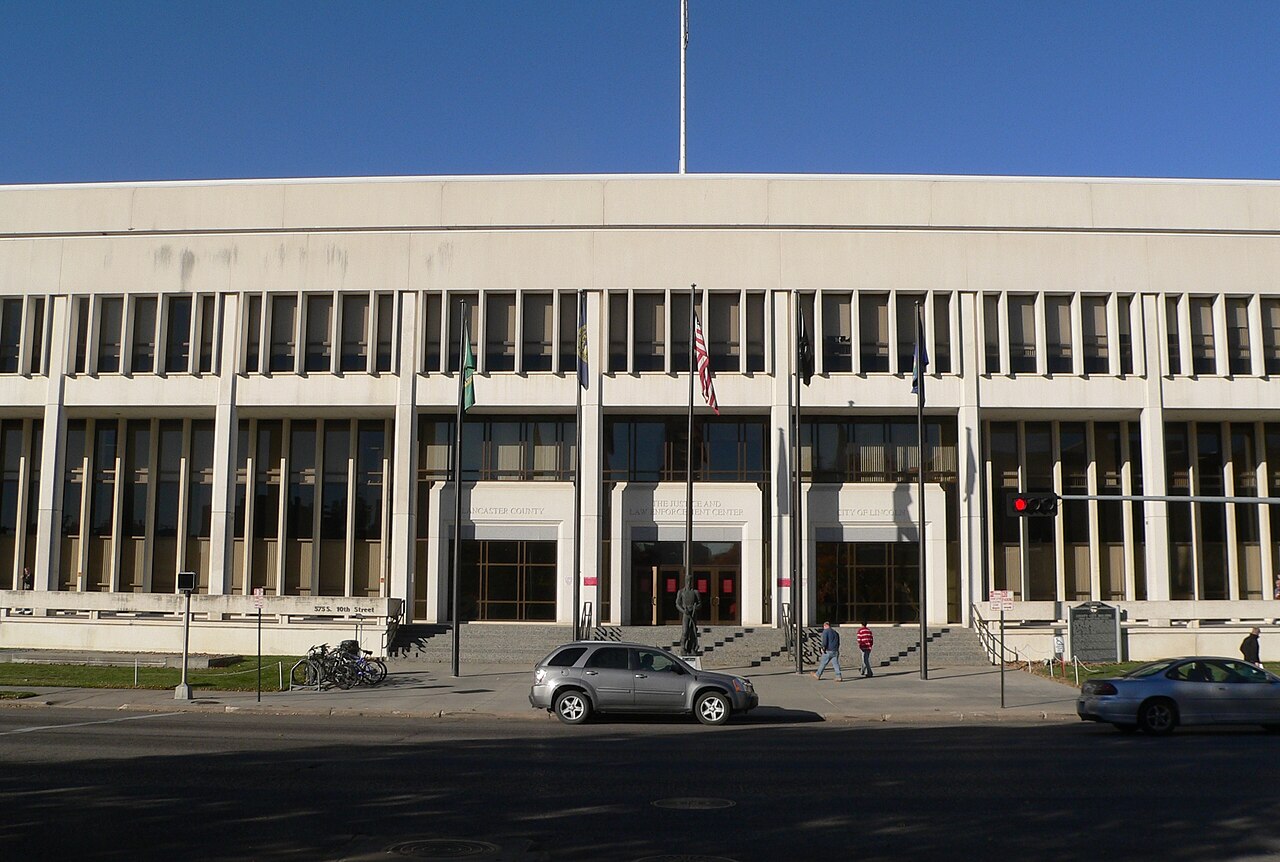
Nebraska's health department told a parent it would charge $976,263.77 and take until Sept. 29, 2076 to hand over emails about its review of the interRAI assessment, so on Oct. 19, 2026 he took the agency to court. The verified petition, filed in Lancaster County District Court by Omaha father Curt Safranek, was reported by the Nebraska Examiner, which posted the filing.
Safranek is a founder of the Disability Alliance of Nebraska. His son, Will, has an intellectual disability and autism, and the petition says Will's Medicaid funding was cut under interRAI, the tool the Department of Health and Human Services (DHHS) began using in July 2025 to set budgets for developmental disability waivers.
What he asked for, and what DHHS quoted
On Sept. 23 he asked for emails between DHHS staff and Alvarez & Marsal, the consulting firm DHHS picked in August for a $420,000 no-bid evaluation of interRAI for the DD waivers. DHHS later dropped the no-bid deal and opened the review to competitive bidding. He included search terms such as the firm's email domains.
The two estimates attached to the petition:
| Estimate | Records covered | Total | Deposit | Projected response |
|---|---|---|---|---|
| Sept. 29, 2026 | Jan. 2025 to date of request | $976,263.77 | $97,626.38 | Sept. 29, 2076 |
| Oct. 2, 2026 | Jan. 1 to Sept. 29, 2026 | $474,383.02 | $47,438.30 | Oct. 2, 2051 |
The larger estimate bills about 26,000 hours across an attorney at $44.54 an hour, a paralegal at $28.15 and an administrative programs officer at $31.84. The petition argues that DHHS already runs search terms through an automated system, calls the narrowed estimate an effective denial, and asks a judge to order a new estimate based on the actual added cost of copies, with expedited handling and attorney fees. The respondent is Thomas Skutt, the agency's records manager.
A DHHS spokesperson told the Examiner the agency can't comment on pending litigation. He said interRAI is a standardized, validated tool and that DHHS has posted a request for proposals for an independent evaluation of its first full year of data. DHHS has said about 80% of participants' funding stayed the same or rose; families and advocates have pressed for leadership changes over the cuts. Safranek told the paper he will seek changes to the public records law in the 2027 session, which starts Jan. 6.
Why this matters for providers and DSPs
interRAI budget tiers set how many DSP hours and which day and residential supports an agency can bill for each person. The independent evaluation is the most likely route to changing the model, so how that review is scoped, and who does it, matters to every Nebraska DD provider planning 2027 staffing. Agencies supporting people in appeals should keep records of changes in assessed need and any service gaps; that documentation is what reviewers and hearing officers will ask for.