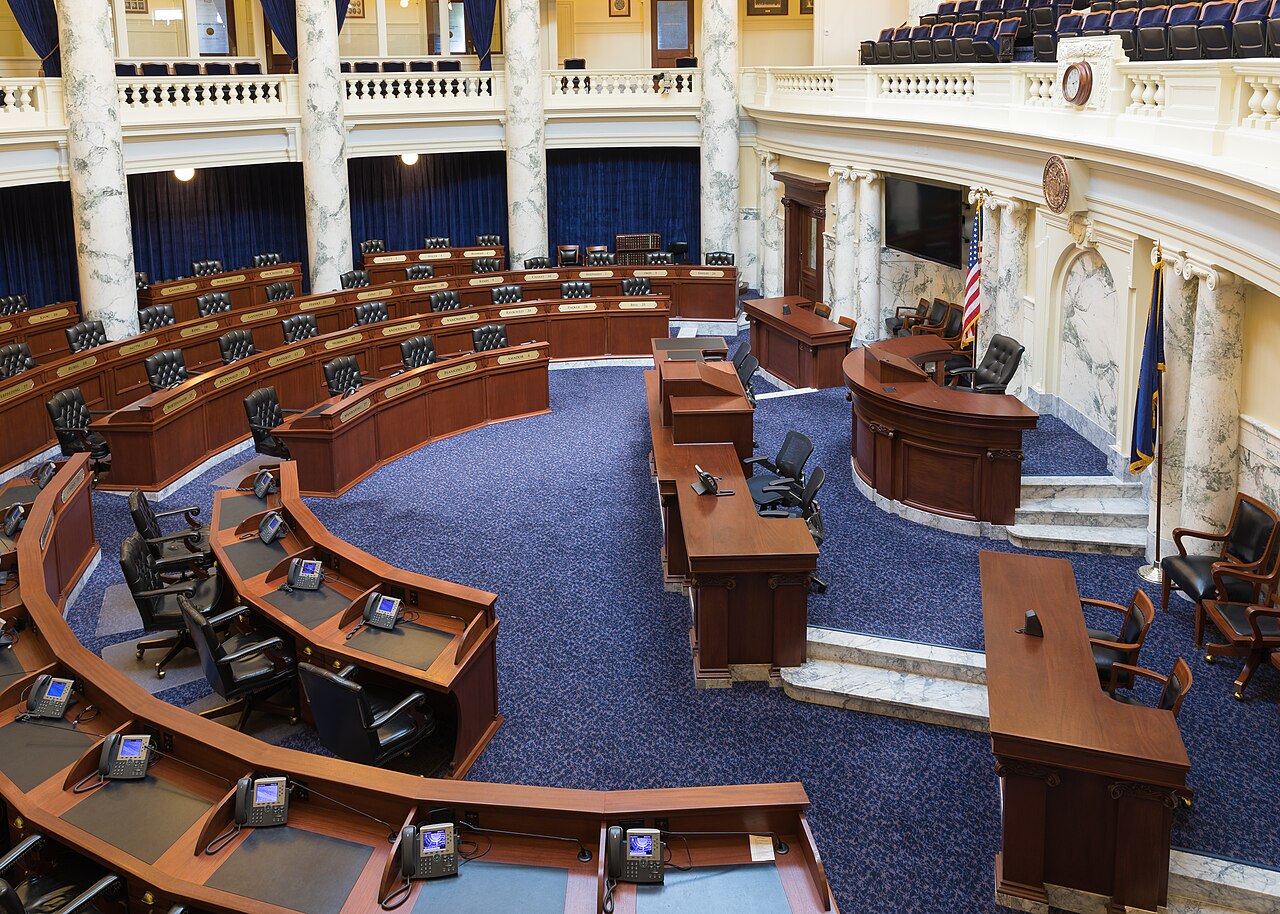
The Idaho Department of Health and Welfare is asking lawmakers to raise what Medicaid pays for personal care services from $24.44 to $27.64 an hour, a 13% increase that would cost about $12.1 million in fiscal 2028. The request is line item 12.01 in the department's fiscal 2028 budget request, posted by the governor's Division of Financial Management, and was first reported Nov. 19 by the Idaho Capital Sun.
Personal care services help children and adults with disabilities and older Idahoans with bathing, toileting, dressing and eating so they can stay in their own homes. The work is done by direct care workers employed by personal assistance agencies.
What the department is asking for
| Item | Amount |
|---|---|
| Current personal care rate (code T1019) | $24.44 an hour ($6.11 per 15 minutes) |
| Requested rate | $27.64 an hour |
| State general fund cost | $3,943,700 |
| Federal Medicaid match | $8,124,000 |
| Total, fiscal 2028 | $12,067,700 |
| Existing spending on these services | $121,507,000 |
The department says the new rate matches a national average built from U.S. Bureau of Labor Statistics data, and that Idaho now pays the lowest personal care rate of the six neighboring states' Medicaid programs. Unlike most Idaho Medicaid rates, which are tied to Medicare by state law and adjusted every year, personal care and other home and community-based services rates are not. Personal care rates were last adjusted in 2024, using labor market data collected before then.
The current rate already escaped one round of cuts. When Idaho lowered most Medicaid fee-for-service rates by 4% from Sept. 1, 2025, its information release MA25-19 exempted personal care (T1019) and attendant care (S5125) at $6.11 per 15 minutes.
The access problem behind the request
The department's justification rests on a secret-shopper study. A Medicaid contractor called 152 personal care agencies across the state, posing as a case manager arranging care. According to the request:
- 49 agencies (32%) said they would accept a new adult Medicaid client.
- 3 agencies (2%) said they would accept a child on Medicaid.
Medicaid Administrator Sasha O'Connell told the Capital Sun the findings were "very concerning." Federal regulators required the access research as part of Idaho's recent Medicaid rate cuts, the Capital Sun reported. If the request is not funded, the department wrote, Idaho will keep struggling to recruit and retain personal care staff, with longer waits, more unfilled authorized hours and more people turning to costlier institutional care.
Where the money is supposed to go
The request ties the raise to a wage rule the Legislature passed this year. House Bill 863 requires annual cost surveys for personal care, residential habilitation, developmental disability agency services, supported employment and targeted service coordination. Providers must spend at least the amount of the rate set aside for direct care wages and related costs, or face a corrective action plan, closed intake or loss of their provider agreement. The department's request puts the rate's allocation for direct care wages at $18.33. The same bill cut $21.8 million in state funds from residential habilitation rates, as DSN reported in March.
The request does not say how the new rate would be split among wages, benefits and agency costs.
Other disability items in the budget
The department's overall request is about $6.58 billion, roughly 2% more than this year, the Capital Sun reported. Agencies were told to submit lean budgets after the 2026 session's cuts, which makes the personal care increase one of only a few new spending asks. Others that touch disability services:
- $1.1 million ($550,000 state) for a case management system for adults with intellectual and developmental disabilities. Adult case management records now sit on the assessment contractor's system, which has to be rebid. The adult program would join the system already used for children's developmental disability services.
- $633,200 for work under the K.W. v. Armstrong settlement, which requires a new assessment and resource allocation model for adults with I/DD on home and community-based services. The money covers a court-appointed special master, stipends for class members in workgroups and attorney monitoring fees.
Ending all of Idaho's earlier provider rate cuts and service cuts would cost $34 million in state general funds and about $92.3 million in federal funds, according to department estimates given to the Capital Sun.
What happens next
The request is the first step. Gov. Brad Little will set out his budget priorities in his State of the State address in January, and the Legislature writes the final budget during the 2027 session. Fiscal 2028 begins July 1, 2027. As of Nov. 19, 2026, the personal care rate remains $24.44 an hour.
What this means for providers and DSPs
- A raise is not yet funded. Agencies should not plan pay changes on $27.64 until the Legislature appropriates it and Medicaid publishes a new fee schedule.
- Wages will be checked. Under House Bill 863, any increase comes with a requirement to spend the wage share on direct care workers, backed by audited cost surveys. That works like a wage pass-through. Agencies should keep payroll records that tie hours and pay to the rate's wage allocation.
- Access data now drives rate requests. The department used secret-shopper calls, not provider testimony, to make its case. Agencies that turn away Medicaid referrals are, in effect, part of the evidence. Tracking how many referrals you decline, and why, helps when talking to lawmakers.
- Neighbors are the benchmark. The department measured Idaho against six neighboring states' rates. Other states are making the same budget calls this fall; see Washington's personal care caseload forecast and Delaware's fiscal 2028 rate requests.