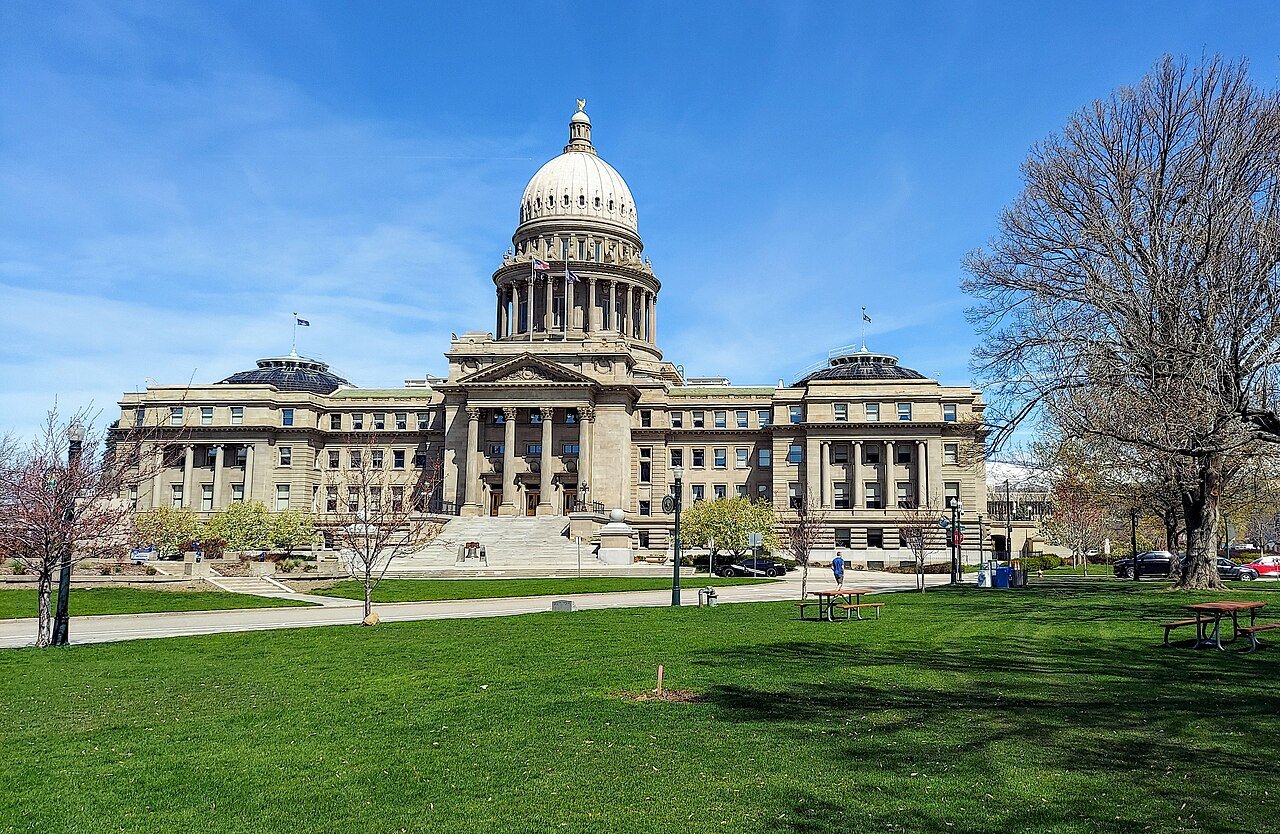
Idaho will cut provider reimbursement rates for residential habilitation services by $21.8 million in state general funds in fiscal 2027, which begins July 1, 2026. Gov. Brad Little signed House Bill 863 in late March 2026, KMVT reported on March 27. A companion budget bill carrying out the cut passed the Senate the same day.
What the bill says
According to the bill, the state pays more than $176.5 million in general funds through Medicaid for residential habilitation and other home and community-based services. In 2022, the Legislature approved $70.4 million to raise rates for adult developmental disability residential habilitation, tied to $66.7 million for new services and a budget tool from the KW v. Armstrong lawsuit. A court order halted that budget tool, so the new services never took effect. The bill says the state's share of the related rate increases, about $21.8 million, can be cut.
The bill voids two sections of the related Medicaid rules as of July 1, 2026. It also requires annual cost surveys, with at least 15% audited, for residential habilitation, personal care, developmental disability agency services, supported employment and targeted service coordination. Providers must spend at least the amount allocated to direct care worker wages and related costs, or face a corrective action plan, closed intake or termination. The first public audit report is due by Dec. 31, 2027. The fiscal note adds $1.7 million for an independent auditor.
How deep the cut goes
Combined with last year's Medicaid rate cuts, KMVT reported, the change amounts to about a 10% rate reduction for residential habilitation providers. Supporters said rates would still be 33% higher than four years ago. The bill passed the Senate 19-15, with nine Republicans joining all six Democrats in opposition. At a hearing, a supported living provider warned that some agencies could close, and the lead attorney in KW v. Armstrong said the cuts could expose the state to more litigation.
Why this matters for providers and DSPs
Residential habilitation is staffed largely by DSPs, so a 10% rate cut puts pressure on wages and staffing. The new wage pass-through rule also means Idaho agencies will have to show that direct care dollars reach workers.