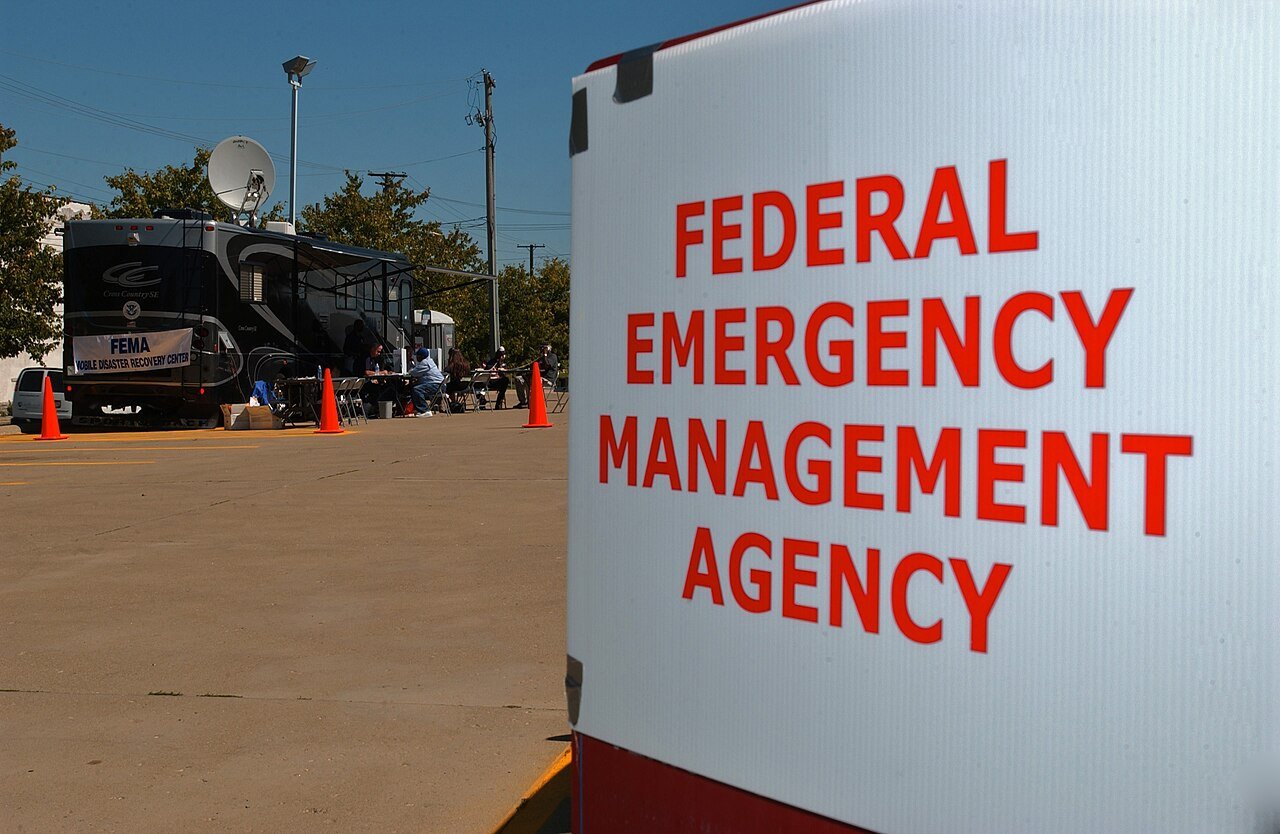
People with disabilities who applied for FEMA Individual Assistance from 2022 through 2025 were approved 4 percentage points less often than applicants without disabilities, according to GAO report GAO-26-108057. The watchdog also found that FEMA pulled disability-inclusion training for state and local partners from its curriculum in 2025 and had not offered it for more than a year.
GAO reviewed the Think Differently About Emergencies Act mandate, analyzed grant data, and interviewed FEMA, disability organizations, and officials in Hawaii, Louisiana, and Kentucky. Stakeholders described hard-to-parse application questions and eligibility letters written at about a grade-12 reading level. FEMA had not asked people with disabilities for feedback on the overall application process.
Three recommendations, all open
GAO told FEMA to reinstate partner training on disability needs in disasters; document that regional disability specialists coordinate with state and local partners before disasters; and collect accessibility feedback on Individual Assistance applications, including plain-language issues and the end of door-to-door canvassing. FEMA concurred with all three. Recommendations remain open while actions are planned.
Disability Scoop reported Oct. 2 that FEMA told GAO it will redesign and strengthen training support for state, local, tribal, and territorial partners so disability needs are addressed before, during, and after disasters, with that work expected to finish by September 2027.
Why this matters for providers and DSPs
Group home, supported living, and HCBS agencies are often the ones helping people with I/DD file for shelter, repairs, or replacement of assistive devices after storms and floods. A lower approval rate and an application that is hard to read raise the stakes for documentation support from DSPs and supervisors. Track FEMA’s partner materials as training returns, and keep local emergency plans tied to who helps residents complete Individual Assistance forms.