Starting Oct. 1, 2027, Washington will pay a smaller part of Medicaid's bills in 10 states and a bigger part in 30 others. Ten states stay where they are, at the legal minimum of 50%.
The new rates are in a Department of Health and Human Services notice published in the Federal Register on Nov. 23. It sets each state's Federal Medical Assistance Percentage, or FMAP, for federal fiscal 2028, which runs from Oct. 1, 2027, to Sept. 30, 2028. DSN compared every state with last year's notice for fiscal 2027.
Who gains and who loses
| State | FMAP, fiscal 2027 | FMAP, fiscal 2028 | Change (points) |
|---|---|---|---|
| Florida | 55.43% | 53.56% | -1.87 |
| Missouri | 64.58% | 63.08% | -1.50 |
| Hawaii | 58.39% | 56.91% | -1.48 |
| Vermont | 57.76% | 56.80% | -0.96 |
| Rhode Island | 57.81% | 57.08% | -0.73 |
| Delaware | 60.33% | 63.93% | +3.60 |
| South Dakota | 50.56% | 52.79% | +2.23 |
| Iowa | 63.33% | 64.95% | +1.62 |
| Minnesota | 51.36% | 52.96% | +1.60 |
| Idaho | 67.31% | 68.77% | +1.46 |
The other five states that lose ground are Nevada (down 0.53 point), Illinois (0.37), Pennsylvania (0.19), Alaska (0.14) and New Mexico (0.01). California, Colorado, Connecticut, Maryland, Massachusetts, New Hampshire, New Jersey, New York, Washington and Wyoming stay at the 50% floor. Mississippi keeps the highest rate, rising to 77.62%. The District of Columbia stays at 70%, a figure set in federal law.
Puerto Rico has the biggest change of all. A 2023 federal law held its rate at 76% only through Sept. 30, 2027. From Oct. 1, 2027, the notice says, it drops to 55%, the rate written into the Social Security Act.
What a point of match means
The FMAP is the share of most Medicaid service costs the federal government pays; the state pays the rest. Under section 1905(b) of the Social Security Act, HHS recalculates it every year from each state's income per person compared with the national figure, with a floor of 50% and a ceiling of 83%. Most Medicaid waiver services for people with intellectual and developmental disabilities, and care in an ICF/IID, are paid at this rate. DSN's explainer on how Medicaid pays for I/DD services walks through the split.
Small changes in the percentage move real money. Here is what they mean for every $100 a state spends on a covered service (DSN's calculation from the two notices):
| State | State share per $100, fiscal 2027 | State share per $100, fiscal 2028 | Federal dollars per state dollar, 2028 |
|---|---|---|---|
| Florida | $44.57 | $46.44 | $1.15 (was $1.24) |
| Missouri | $35.42 | $36.92 | $1.71 (was $1.82) |
| Delaware | $39.67 | $36.07 | $1.77 (was $1.52) |
| South Dakota | $49.44 | $47.21 | $1.12 (was $1.02) |
In Florida and Missouri, the state's cost for the same service rises about 4%. In Delaware it falls about 9%.
The notice does not cover every Medicaid match. It leaves out the 90% federal rate for adults covered under the Affordable Care Act expansion, and it says no state qualifies this year for the special adjustments for disasters or unusual employer pension payments.
Missouri: a lower match on top of a budget gap
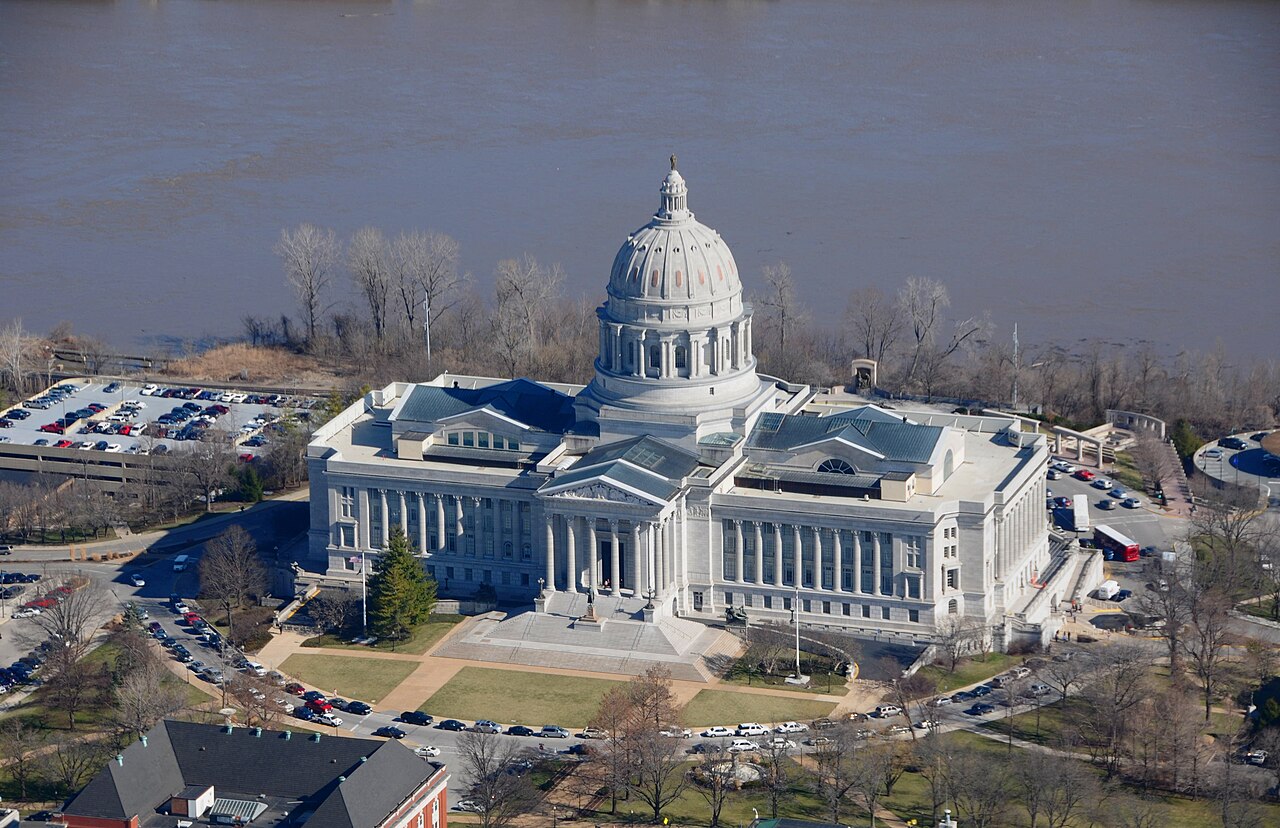
Missouri's drop lands on a state already short of money. The Missouri Independent reported Nov. 23 that state agencies are asking for about $16.5 billion in general revenue next fiscal year, nearly $3 billion more than Missouri expects to collect this year. The requests include more than $640 million in added Medicaid costs, and the governor's budget office projects the general revenue balance will fall to $265 million by June 2027.
Missouri's fiscal 2028 starts July 1, 2027, so the lower federal rate will apply to the last nine months of that budget year. The same is true in Florida and Delaware, which also start their budget years on July 1.
Delaware and the gainers
Delaware gains more than any other state. The fiscal 2028 request from its Department of Health and Social Services includes $2.6 million for a first phase of HCBS rate changes, while home care providers asked on Nov. 10 for $26.6 million, DSN reported. A higher match means each state dollar Delaware puts into those rates draws more federal money than it does today.
What this means for providers and DSPs
- Budget writers now know the match. States drafting fiscal 2028 budgets now have the federal rate that will apply from October 2027, and it will shape what any change to waiver rates costs them.
- A falling match makes raises cost more. In Florida, Missouri, Hawaii and the other states losing ground, the state must put up more of its own money to keep rates where they are, before any increase. A provider agency asking for a rate increase there is asking for more state money per dollar than last year.
- A rising match makes them cheaper. In Delaware, South Dakota, Iowa, Minnesota and Idaho, the state share of each dollar shrinks. Advocates in those states can point to the higher match when making the case for DSP pay.
- The match doesn't set rates. The FMAP changes who pays, not what a service pays. Rates are still set by each state through its fee schedule and budget.