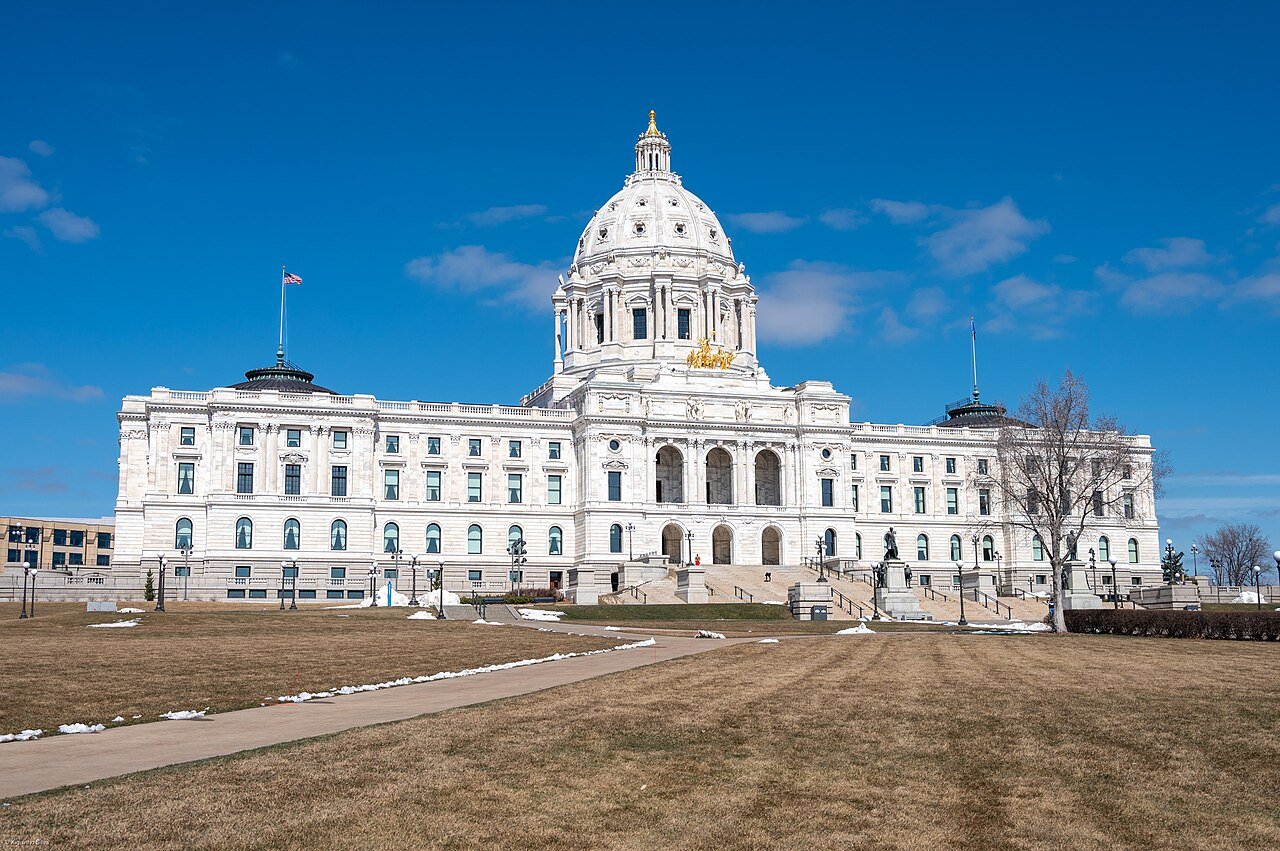
Minnesota stopped issuing new licenses for home and community-based services providers on Jan. 1, 2026, in a pause expected to last through Dec. 31, 2027. The moratorium covers all 245D licenses, the license type for disability waiver services such as residential supports and group homes, and also blocks existing providers from adding new services.
The Minnesota Department of Human Services notified legislators in a Dec. 1, 2025 letter and announced the pause publicly on Dec. 9. The Minnesota Star Tribune reported providers' reaction on Dec. 5, 2025.
What the moratorium does
According to the department's letter, it will stop issuing new 245D licenses, stop accepting applications, stop adding services to existing licenses and cancel pending applications. Application fee refunds are available through Dec. 31, 2026. The pause does not affect existing licenses, and a Dec. 16 notice clarified that licensed providers can still enroll with Minnesota Health Care Programs.
The authority comes from Minnesota Statutes section 245A.03, subdivision 7a, which the Legislature passed in 2025, and Gov. Tim Walz's Executive Order 25-10.
The state's reasoning
The department said license growth had far outpaced need. Between 2015-2019 and 2020-2024, average waiver participation rose 24.7%, while active 245D licenses rose 55.3% and new applications 283.3%. As of mid-November 2025, there were 2,549 active licenses and 2,314 pending applications, so approving the queue would nearly double licensed capacity.
The state must review every 245D provider at least once every three years. Reviews nearly doubled from 204 in 2022 to 404 in 2025, but the department said it would need at least 847 a year to comply. The Star Tribune reported that officials framed the move as part of the state's fight against fraud.
Exceptions and providers' response
Counties, Tribal Nations and managed care organizations can request an exception when a person's needs, or a regional need, cannot be met by existing providers. An approved exception lets a provider apply but does not guarantee a license. Providers told the Star Tribune they were blindsided; a Duluth agency said a planned crisis respite home for children was halted.
Why this matters for providers and DSPs
A licensing freeze limits how agencies can grow or respond to new referrals, even when their records are clean. Minnesota shows how oversight concerns can reshape the rules for the whole HCBS field.