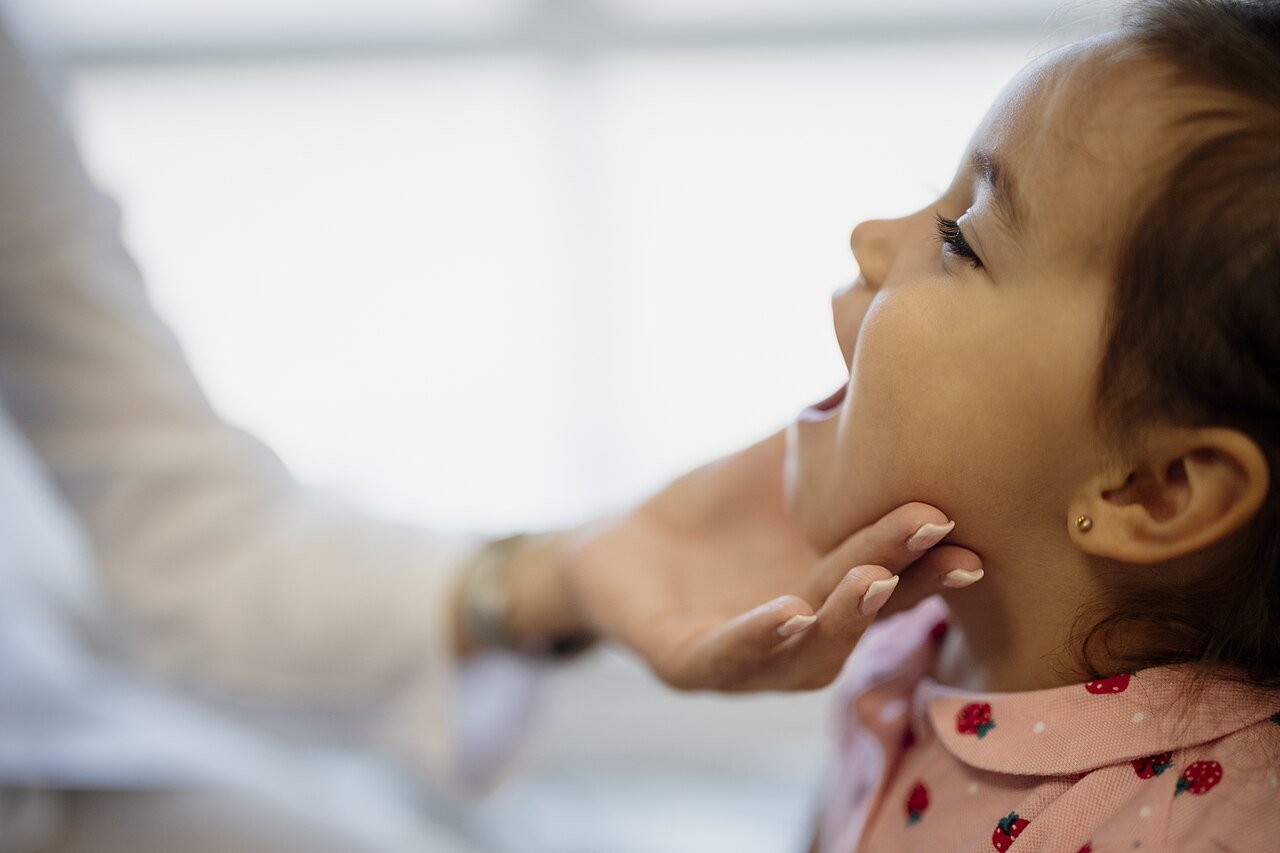
Twenty-eight community health centers will share about $51 million in federal grants to make dental visits more workable for children with neurodevelopmental disorders, including autism, Down syndrome, cerebral palsy and intellectual disabilities. The U.S. Department of Health and Human Services announced the awards through the Health Resources and Services Administration (HRSA) on Sept. 23. Disability Scoop reported them two days later.
What the money does
Each center can get up to $2 million from HRSA's one-time Quality Improvement Fund for dental services for these children, known as QIF-DNDD. Centers will build on models with evidence behind them, test new ones, expand preventive and other dental care, and strengthen their workforce. They will also join shared learning and evaluation work so HRSA can spread what succeeds, HHS said.
HHS said sensory sensitivities, anxiety and mobility challenges can make routine visits hard for these children, who also face higher risk of tooth decay and gum disease.
Medical Daily, reviewing HRSA's recipient list, reported that the centers are in 14 states and Puerto Rico. California has eight, Colorado and Missouri three each, and Florida and Massachusetts two each. It put total awards at $51,004,210 and noted that amounts for individual centers were not published.
Why this matters for providers and DSPs
DSPs and group home staff often go with the people they support to dental appointments, and a bad visit can put off care for months. The grants target children, but approaches that prove to work could also help adults with disabilities who struggle to find a dentist.
Families and supports coordinators near a funded center can ask whether it is taking new patients. Before any visit, share relevant details from the person's individual support plan, such as communication style and sensory triggers, with the dental office.